Visiting Bangkok means discovering a city where golden temples, busy markets, street food stalls, skyscrapers and canals exist side by side. Thailand’s capital is energetic, diverse and full of contrasts, making it a memorable stop in Southeast Asia.
A well-planned stay makes it easier to combine the main attractions, a three-day itinerary, transport, food, safety, weather and practical preparations without spending too much time crossing the city.
💡 Bangkok travel guide at a glance
- Recommended stay: 3 to 5 days for a first visit.
- Main attractions: Grand Palace, Wat Pho, Wat Arun, Chinatown, night markets and canal tours.
- Best time to visit: November to February for drier and slightly cooler conditions.
- Getting around: BTS, MRT, river boats, Grab and tuk-tuks depending on the journey.
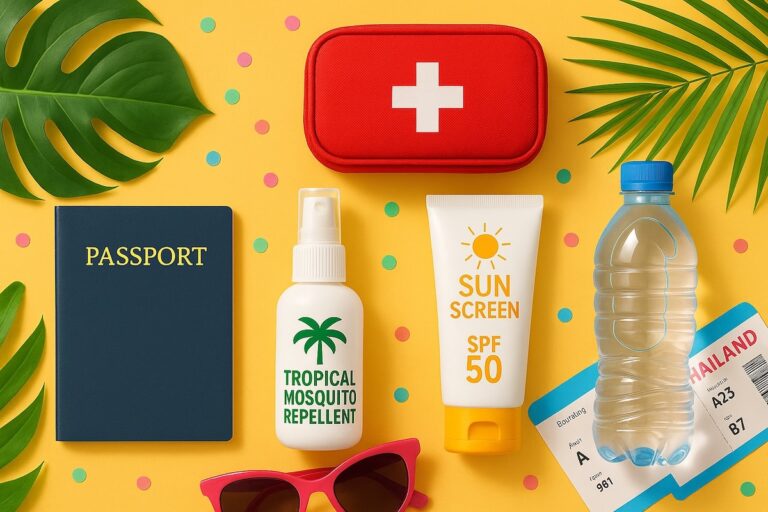
- What to bring: modest clothing for temples, cash for small markets and extra time for travelling across the city.
Best time to visit Bangkok
The most comfortable period to visit Bangkok is typically from November to February. Conditions are usually drier, humidity can feel less intense and daytime temperatures are often more manageable than during the hottest months.
From March to May, temperatures rise significantly. April is often particularly hot, so outdoor visits are best planned early in the morning or later in the afternoon.
From June to October, Bangkok experiences the rainy season in Thailand. Heavy showers are possible, often later in the day, although rain does not normally continue without interruption throughout the entire day.
Even during wet weather, Bangkok remains easy to explore by adapting the day around museums, shopping malls, covered markets, cafés and temples. Many rainy-day activities in Thailand also work particularly well in the capital.
Temperatures, rainfall and seasonal differences between regions are explained in more detail in the overview of weather in Thailand.
Bangkok travel guide: top things to do
Known in Thai as the City of Angels, Bangkok combines Buddhist temples, royal architecture, busy commercial districts, local neighbourhoods and a prominent street food scene.
For a first visit, these are the main places to include in your itinerary:
- The Grand Palace and Wat Phra Kaew: the historical and spiritual centre of Bangkok, home to a temple of exceptional religious importance.
- Wat Pho: famous for its enormous golden Reclining Buddha and calmer atmosphere than the Grand Palace.
- Wat Arun: the Temple of Dawn, best viewed from across the Chao Phraya River, especially around sunset.
- Chinatown: a lively district known for gold shops, Chinese temples, narrow streets and evening street food around Yaowarat Road.
- Bangkok’s night markets: good places to eat, shop and experience the city after dark.
- The canals of Bangkok: a long-tail boat trip through the khlongs reveals a quieter and more traditional side of the capital.
- Mahanakhon SkyWalk: an impressive viewpoint with panoramic views from the top of King Power Mahanakhon.
- Khao San Road and Soi Rambuttri: two popular streets for nightlife, budget accommodation and a highly international atmosphere.
- Floating markets near Bangkok: Taling Chan and Khlong Lat Mayom are easier to reach than some of the larger markets located farther from the city.
Bangkok is also a major shopping destination in Thailand. MBK, Terminal 21, Siam Paragon, CentralWorld and IconSiam range from affordable shops and food courts to luxury boutiques, while broader advice on prices, bargaining and payment methods is available in the Thailand shopping guide.
Map of places to visit in Bangkok
The interactive map below shows the main Bangkok attractions mentioned in this article and can help you group nearby places into the same day.
Suggested three-day Bangkok itinerary
Three days are enough to see Bangkok’s main highlights, provided that you organise each day around one part of the city and avoid unnecessary journeys across town.
Day 1: Historic Bangkok
- Grand Palace and Wat Phra Kaew
- Wat Pho
- Cross the river to Wat Arun
- Sunset beside the Chao Phraya River
Wear clothing that covers your shoulders and knees, and start early to avoid the largest crowds and the strongest heat.
Day 2: Local life, markets and Chinatown
- Chatuchak Weekend Market when visiting on Saturday or Sunday
- A floating market such as Taling Chan or Khlong Lat Mayom on suitable days
- Street food and evening atmosphere in Chinatown
- Khao San Road or Soi Rambuttri for a more tourist-oriented evening
Day 3: Modern Bangkok
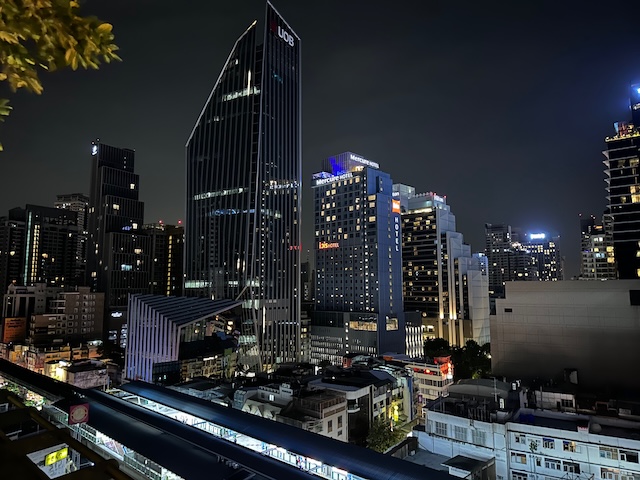
- Mahanakhon SkyWalk or another city viewpoint
- Siam, CentralWorld, Terminal 21 or IconSiam
- A rooftop bar or evening walk beside the Chao Phraya River
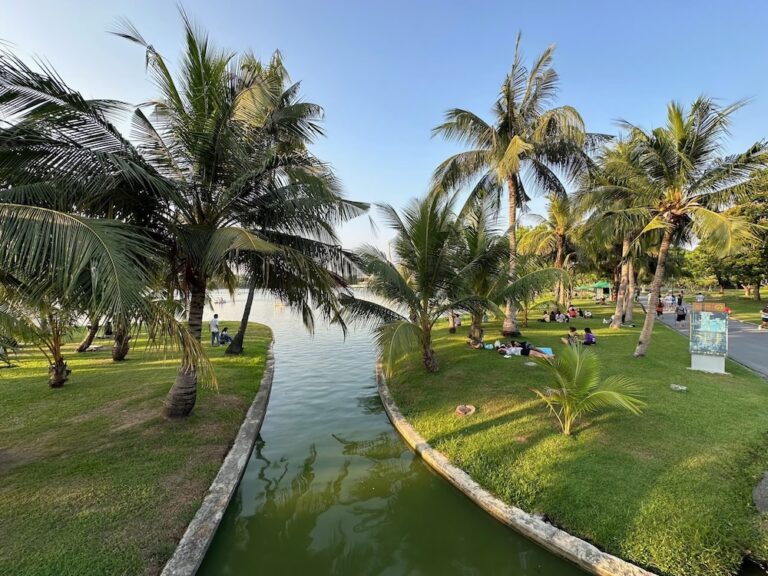
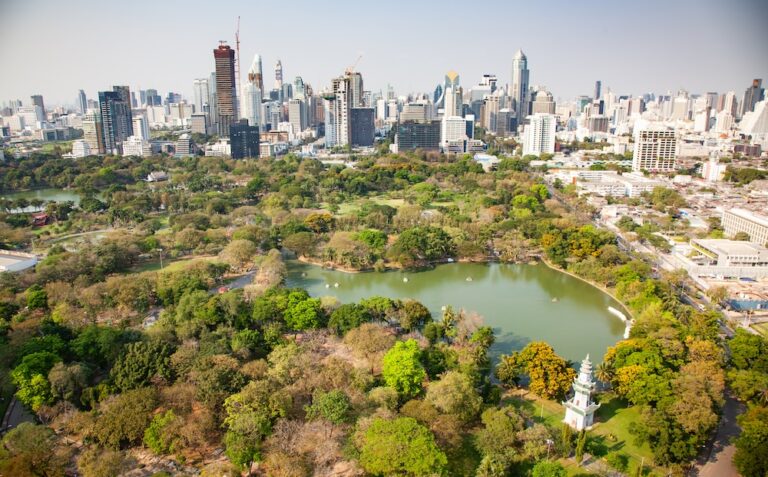
You can replace part of this programme with a visit to Lumphini Park or Suan Luang Rama IX Park for a quieter break from Bangkok’s traffic and shopping districts.
Getting around Bangkok
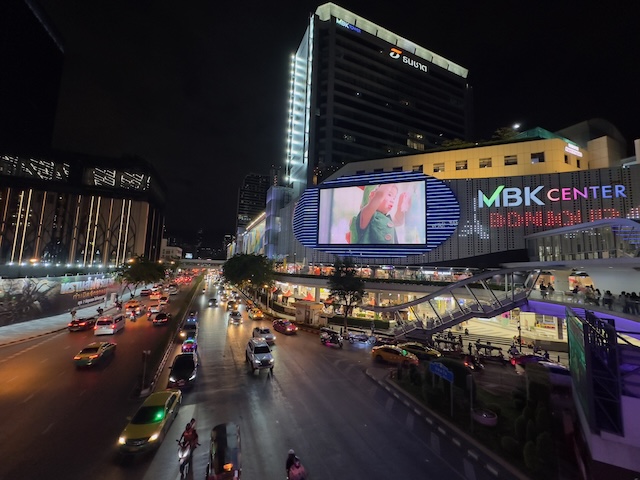
Bangkok is enormous, but the public transport network makes many areas relatively easy to reach. The best option depends on the district, the time of day and the traffic.
- BTS Skytrain: convenient for Sukhumvit, Siam, Silom and many major shopping centres.
- MRT: useful for Chinatown, Chatuchak, the main railway station area and districts not directly served by the BTS.
- River boats: a practical and scenic way to reach the Grand Palace, Wat Pho and Wat Arun.
- Grab: useful for door-to-door journeys, travelling with luggage or returning late in the evening.
- Taxis: affordable when the meter is used, but journey times can become long in heavy traffic.
- Tuk-tuks: enjoyable as an experience, although the fare should be agreed before the journey begins.
Fares, common scams and situations where another form of transport may be more convenient are covered in the article about tuk-tuks in Thailand.
Bangkok’s busiest periods are usually around 7 a.m. to 9 a.m. and 5 p.m. to 7 p.m. During these hours, the BTS, MRT and boats may be faster than road transport.
Is Bangkok safe for tourists?
Bangkok is considered safe overall for visitors. Serious violent crime against tourists is uncommon, but petty theft and travel scams can occur in crowded or heavily touristed areas.
Keep your valuables secure in markets, public transport and busy nightlife districts. Be cautious when someone claims that a temple is closed, offers an unusually cheap tuk-tuk tour or insists on taking you to a particular shop.
Common issues include:
- taxis refusing to use the meter;
- inflated tuk-tuk fares;
- fake guides near major attractions;
- gem shop and tailor shop detours;
- pickpocketing in crowded areas;
- overpriced nightlife bills in some establishments.
These situations are among the most common scams to avoid in Thailand, particularly around major attractions and transport hubs.
Local customs and cultural etiquette
Bangkok is a modern international capital, but Thai cultural customs remain important, especially in temples and formal places.
- Temple clothing: cover your shoulders and knees, remove your shoes before entering designated areas and avoid disrespectful poses beside Buddha images.
- The wai: the traditional greeting is performed with the palms together. Foreign visitors are not expected to initiate it in every situation, but a polite response is appreciated.
- Tipping: it is not compulsory, although leaving 20 to 50 baht in restaurants or for helpful drivers is often welcomed.
- The monarchy: the royal family is deeply respected, and careless remarks can create serious problems.
- Public behaviour: remain calm during disagreements and avoid touching another person’s head.
- Feet: do not point your feet directly at Buddha images or place them on chairs and tables.
Understanding basic Thai etiquette and customs can help visitors avoid misunderstandings in temples, restaurants and everyday interactions.
Food to try in Bangkok
Bangkok has a varied food scene. Travellers can eat at inexpensive street stalls, food courts, neighbourhood restaurants, rooftop venues and internationally recognised fine-dining establishments.
- Pad Thai: stir-fried noodles commonly served with prawns or tofu, egg, lime and crushed peanuts.
- Som Tam: spicy green papaya salad with lime, chilli, fish sauce and peanuts.
- Khao Pad: simple and affordable Thai fried rice.
- Green or red curry: aromatic coconut-based curries that can range from mild to very spicy.
- Mango sticky rice: a popular dessert made with glutinous rice, coconut milk and fresh mango.
- Thai street snacks: grilled skewers, pancakes, sausages, fruit, sweets and fried snacks sold throughout the city.
The modern identity of Thailand’s iconic noodle dish is closely connected to the history of Pad Thai and its rise as a national symbol.
Made with glutinous rice, coconut milk and fresh fruit, mango sticky rice in Thailand is especially popular during mango season.
Markets and roadside stalls also offer a wide range of Thai street snacks, including grilled skewers, pancakes, sausages, fruit and fried sweets.
Where to eat in Bangkok
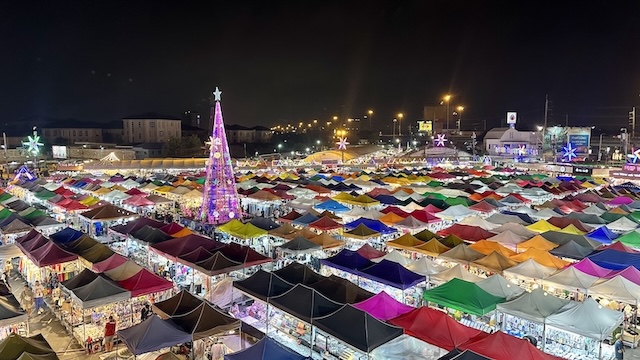
- Chinatown and Yaowarat Road: a popular district for evening street food.
- Jodd Fairs: a busy night market offering food, drinks, clothing and a lively atmosphere.
- Thip Samai: a well-known address specialising in Pad Thai.
- Jay Fai: a Michelin-starred street-side restaurant known for its crab omelette.
- Food courts: MBK, Terminal 21 and IconSiam offer convenient, affordable and varied dining choices.
Learning how to order food in Thailand can make it easier to ask about spice levels, ingredients and dietary preferences in local restaurants.
How many days should you spend in Bangkok?
For a first visit, plan to spend three to five days in Bangkok.
Three days allow enough time for the Grand Palace, the main temples, Chinatown, a market and part of modern Bangkok. Five days provide more flexibility for museums, parks, shopping, local neighbourhoods and a day trip.
Returning visitors may prefer to explore less tourist-oriented areas such as Ari, On Nut, Thonburi or Bang Krachao.
Bangkok can also be used as a base for excursions to Ayutthaya, Kanchanaburi or nearby floating markets. Travellers heading west can continue towards the Bridge on the River Kwai or visit Erawan National Park.
Events and festivals in Bangkok
Bangkok hosts cultural, religious and entertainment events throughout the year. Exact dates may vary according to the lunar calendar and official announcements.
- Chinese New Year: mainly celebrated in Chinatown with lanterns, performances and street decorations.
- Songkran: the Thai New Year in April transforms areas such as Silom and Khao San Road into major water-fight zones.
- Vegetarian Festival: an important Taoist event that is particularly visible around Chinatown.
- Loi Krathong: an annual festival during which decorated baskets are floated on rivers and lakes.
- Year-end events: concerts, markets, countdown celebrations and decorations appear around major shopping districts.
During Songkran in Thailand, protect phones and documents in a waterproof pouch, wear quick-drying clothes and allow extra time for journeys through crowded celebration areas.
Later in the year, the Loi Krathong festival brings candlelit baskets, ceremonies and riverside events to parts of the capital.
Entry requirements for Thailand
Thailand’s entry requirements depend on your nationality, the duration of your stay and the purpose of your visit. Many travellers qualify for visa exemption for a limited tourist stay, but the rules can change.
Before departure, check the requirements applying to your passport. Immigration officers may request proof of onward travel, accommodation and sufficient financial resources.
Foreign travellers must also complete the Thailand Digital Arrival Card before entering the country.
Travellers relying on visa-free entry should also check the current Thailand visa exemption rules before departure.
📌 Official link: Thailand Digital Arrival Card
Practical tips before visiting Bangkok
- Carry some cash because small stalls and local markets may not accept cards.
- Use a reusable bottle where appropriate, but do not drink untreated tap water.
- Keep lightweight clothing for the heat and modest clothing for temples.
- Allow additional time for road journeys during rush hour.
- Use the BTS, MRT or river boats whenever they provide a practical alternative to traffic.
- Choose accommodation close to a BTS or MRT station when possible.
- Keep copies of your passport and travel insurance documents.
- Use sun protection and remain hydrated, especially between March and May.
A Thailand travel checklist can help organise documents, payments, connectivity and other preparations before departure.
Vaccines, mosquito protection, food safety and medical care are covered in the Thailand travel health section.
Using maps of Thailand can also help place Bangkok in relation to the North, the Gulf and the Andaman coast.
Why visit Bangkok?
Bangkok remains a leading city destination in Asia because it offers an unusual combination of temples, street food, markets, nightlife, modern transport, enormous shopping centres and accommodation for nearly every budget.
A single day can include a morning inside a historic temple, lunch at a street stall, an afternoon in a modern shopping district and an evening beside the river or on a rooftop.
The city can feel overwhelming during the first few hours, particularly because of the heat, traffic and distances. However, it becomes much easier to appreciate when explored district by district rather than as one continuous sightseeing zone.
Whether you visit for Buddhist temples, local food, shopping, rooftop views, nightlife or day trips, Bangkok is an excellent starting point for discovering Thailand.
Frequently asked questions about visiting Bangkok
How many days do you need in Bangkok?
Three to five days are recommended for a first visit. Three days cover the main attractions, while five days allow more time for neighbourhoods, markets, parks and nearby excursions.
What is the best month to visit Bangkok?
November to February usually offers the most comfortable combination of lower rainfall and slightly more manageable temperatures. However, Bangkok can be visited throughout the year.
What are the main attractions in Bangkok?
The Grand Palace, Wat Phra Kaew, Wat Pho, Wat Arun, Chinatown, Bangkok’s canals, night markets, rooftop viewpoints and major shopping centres are among the most popular attractions.
Is Bangkok safe for tourists?
Bangkok is typically safe for visitors. The main concerns are petty theft, taxis refusing to use the meter, overpriced tuk-tuk journeys and tourist scams near popular attractions.
What is the best way to get around Bangkok?
The BTS, MRT and river boats are often the most efficient options. Grab, taxis and tuk-tuks are useful for journeys not covered by public transport, although road traffic can be heavy.
Do you need a visa to visit Bangkok?
Visa requirements depend on your nationality and the length of your stay. Check the official rules before departure because visa exemptions and entry procedures may change.
Can you combine Bangkok with Thailand’s beaches?
Yes. Many travellers spend several days in Bangkok before flying or travelling onward to Phuket, Krabi, Koh Samui, Hua Hin or islands in the Gulf of Thailand.
Is Bangkok expensive?
Bangkok can suit a wide range of budgets. Street food, public transport and local hotels can be affordable, while rooftop bars, luxury hotels and international restaurants can significantly increase daily costs.
Can you visit Bangkok during the rainy season?
Yes. Heavy showers are possible, but they are often intermittent. Keep part of your schedule flexible and use museums, malls, cafés and covered markets when the weather becomes difficult.