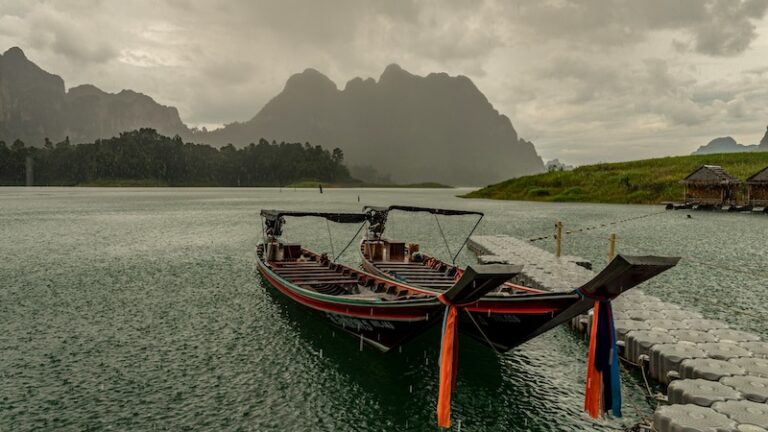
Thailand in the rain may not be your first idea—but it can be one of the smartest times to go. The Thailand rainy season often means greener landscapes, fewer crowds, and better prices, provided you choose the right region at the right time.
☔ Key Takeaways in 3 Points
- Where to go in summer? The Gulf of Thailand (Koh Samui, Koh Phangan, Koh Tao) is often a better beach choice than the west coast during mid-year months.
- Best to avoid for beach time: The Andaman Coast (Phuket, Krabi) is usually more exposed from June to September, with rougher seas and more frequent rain.
- The hidden advantage: Greener scenery, fewer crowds, and often lower prices than during peak season.
👇 Read on for the regional weather comparison and practical travel tips.
When Is the Rainy Season in Thailand?
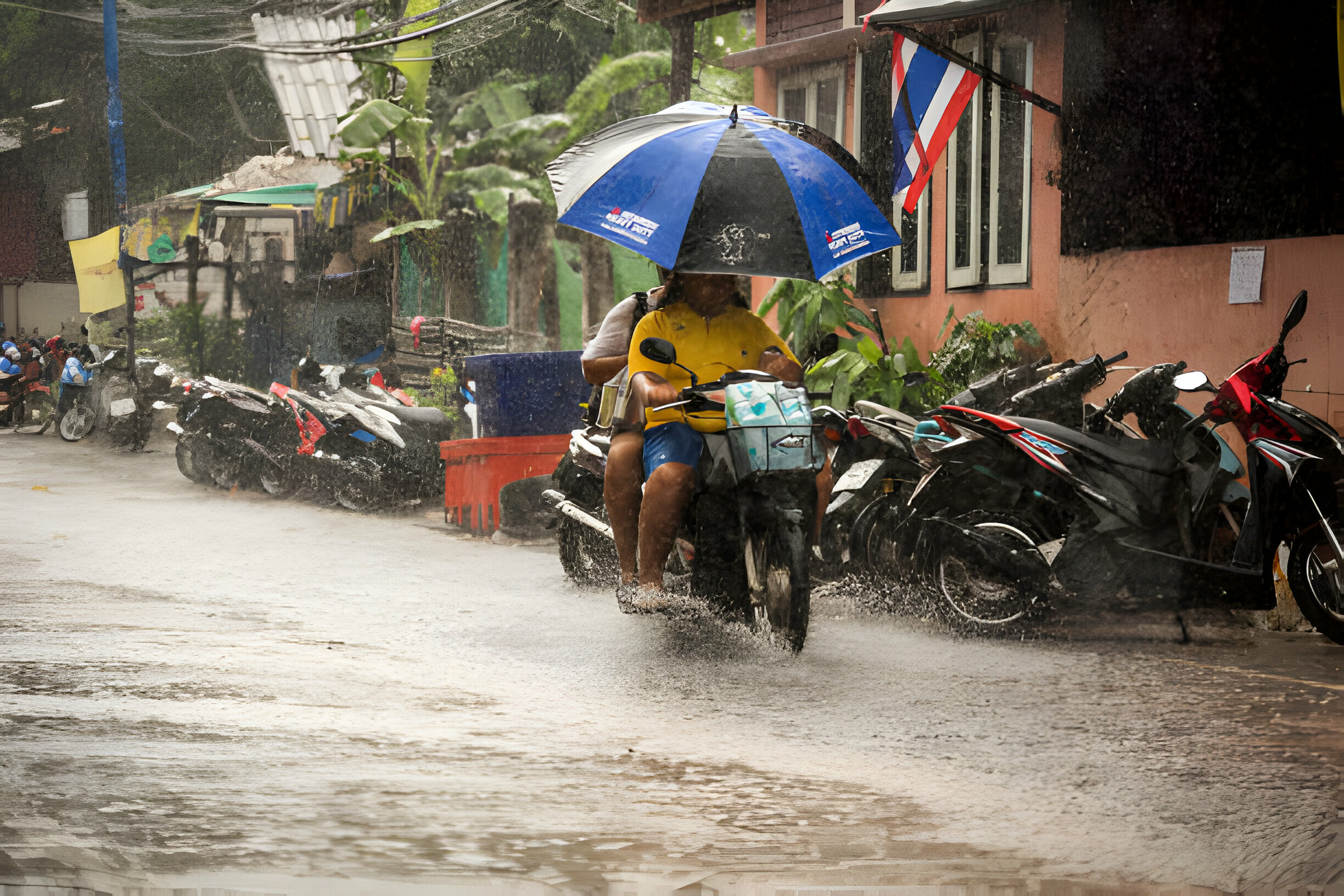
Thailand’s rainy season generally runs from May to October across much of the country. That does not mean non-stop rain all day: showers are often short, intense, and concentrated in the late afternoon, evening, or overnight.
For beach travel between June and August, the Gulf of Thailand is often a safer bet than the Andaman coast. Islands such as Koh Samui, Koh Phangan, and Koh Tao are usually less exposed than Phuket or Krabi during this part of the year, even though weather can still vary from day to day.
On the Andaman side, the rainy season also affects some excursions and sea trips. Several marine parks, including the Similan and Surin islands, close every year during the monsoon, generally from mid-May to mid-October.
In Bangkok and central Thailand, rain usually comes in short, intense bursts and often clears quickly. In the North, especially around Chiang Mai, the wet season transforms the landscape into something much greener and more atmospheric.
Andaman Coast vs Gulf of Thailand: Which One Should You Choose?
If you are planning a beach holiday between May and October, the choice often comes down to the Andaman coast (Phuket, Krabi) or the Gulf of Thailand (Koh Samui, Koh Phangan). Here is a quick comparison to help you decide.
| Feature | Andaman Coast (Phuket, Krabi) | Gulf of Thailand (Koh Samui) |
|---|---|---|
| Weather (June–September) | 🌧️ Monsoon more established, with more frequent rain | ☀️ Often more favorable overall, despite occasional showers |
| Sea conditions | Sea often rough, swimming sometimes discouraged | Sea often calmer and generally better for swimming |
| Water activities | More weather-dependent, with some boat trips limited and seasonal park closures | Conditions are often more favorable for boat trips and water activities |
| Hotel prices | Very attractive in low season | Often higher in summer |
| Tourist crowds | Lower, quieter atmosphere | More noticeable in July and August |
| Best for… | Travelers seeking calm and good prices without making the beach their absolute priority | Travelers who want to maximize their chances of a beach-friendly summer trip |
Regional Breakdown of the Monsoon
If you compare Thailand weather by region, the differences are often more important than the national averages suggest.
Northern Thailand
In Chiang Mai and the surrounding mountains, rainfall is often moderate and arrives in short bursts rather than as all-day rain. The countryside becomes lush, green, and especially photogenic, which makes the season appealing for temples, cafés, wellness stays, and flexible nature outings.
Central Thailand
Central Thailand, including Bangkok and Kanchanaburi, typically sees intense but short-lived showers. The heat often remains high, but many activities are still easy to plan as long as you stay flexible and expect occasional afternoon storms.
Southern Thailand
Southern Thailand follows two different monsoon patterns. The Andaman coast is generally wetter from May to October, while the Gulf coast often sees its wettest stretch later in the year, especially from October to December. During stronger monsoon phases, ferry schedules and sea conditions can be affected on both coasts.
What the Weather Looks Like Right Now
Weather update – April 21, 2026
- Thailand is still in a phase of intense heat, with localized summer thunderstorms affecting several regions.
- The southwest monsoon is not yet fully established across the whole country, although the seasonal transition is getting closer.
- For summer beach trips, the Gulf of Thailand remains generally more favorable than the Andaman coast.
- On the west coast, sea conditions can already become less predictable at times, which may affect some boat excursions depending on the day.
- In the North, Central Thailand, and around Bangkok, the dominant pattern is still hot weather with scattered thunderstorms rather than full monsoon conditions.
What to Pack for the Thailand Rainy Season
Packing for Thailand during the rainy season is mostly about preparing for humid heat and sudden showers. Here are the main essentials to bring:
- Lightweight clothes made from breathable fabrics such as cotton or linen.
- A compact rain jacket or thin waterproof layer that is easy to carry.
- Sandals with grip or shoes that dry quickly.
- Mosquito repellent, especially useful during humid periods.
- High-SPF sunscreen, since UV can still be very strong between showers.
- If you are heading north during the cooler season, a light extra layer can be useful in the evening.
Things to Do During the Rainy Season
Rain does not make Thailand boring—far from it. The rainy season can actually be one of the best times to experience greener scenery, dramatic skies, quieter temples, and a more relaxed pace of travel.
Chiang Mai
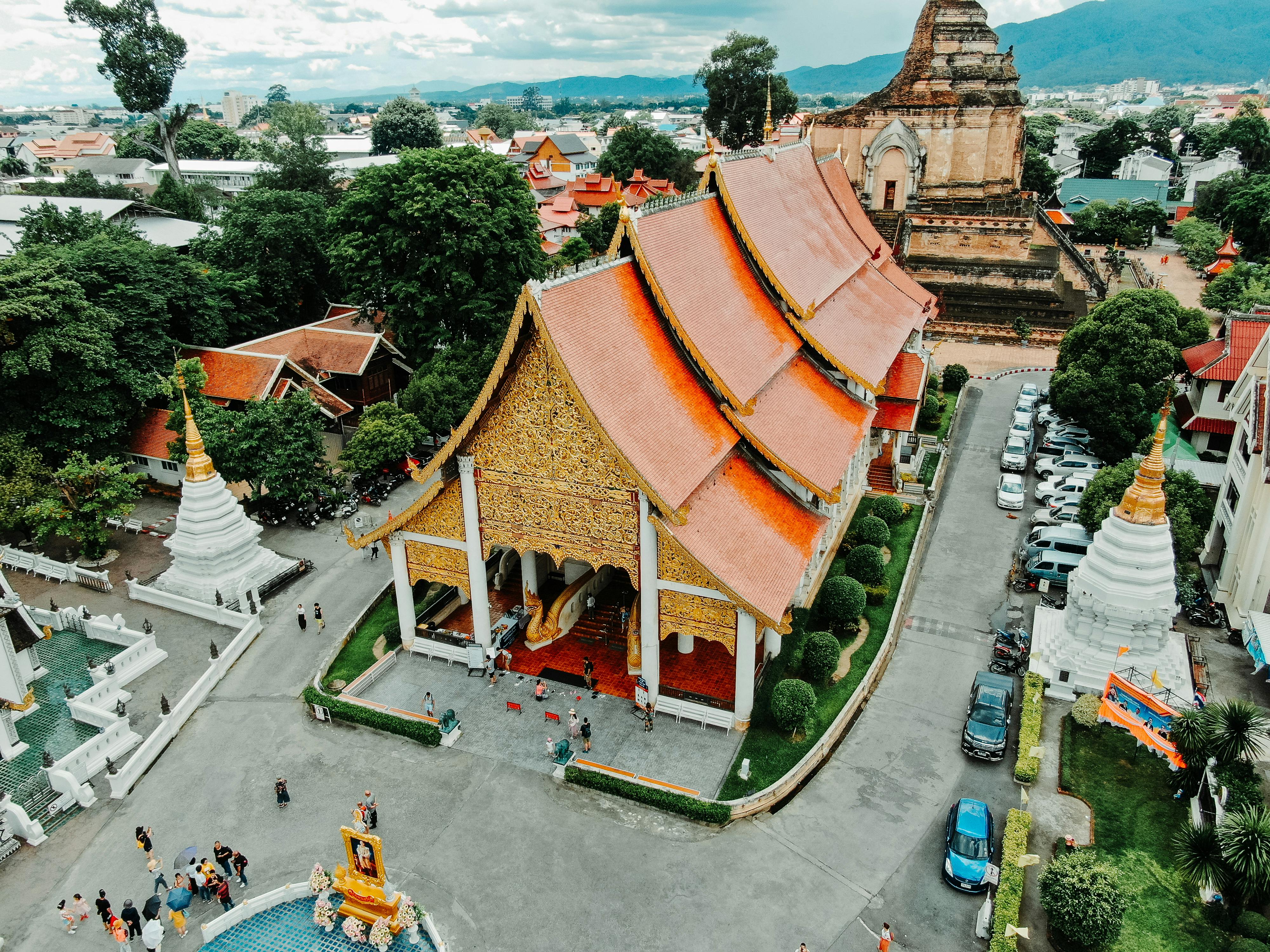
- Explore greener mountain scenery around Doi Inthanon or Doi Suthep when conditions allow.
- Enjoy temples, cafés, massages, and slower days in the Old Town.
- Rainy days are also ideal for yoga, wellness stays, and quieter cultural visits.
Bangkok
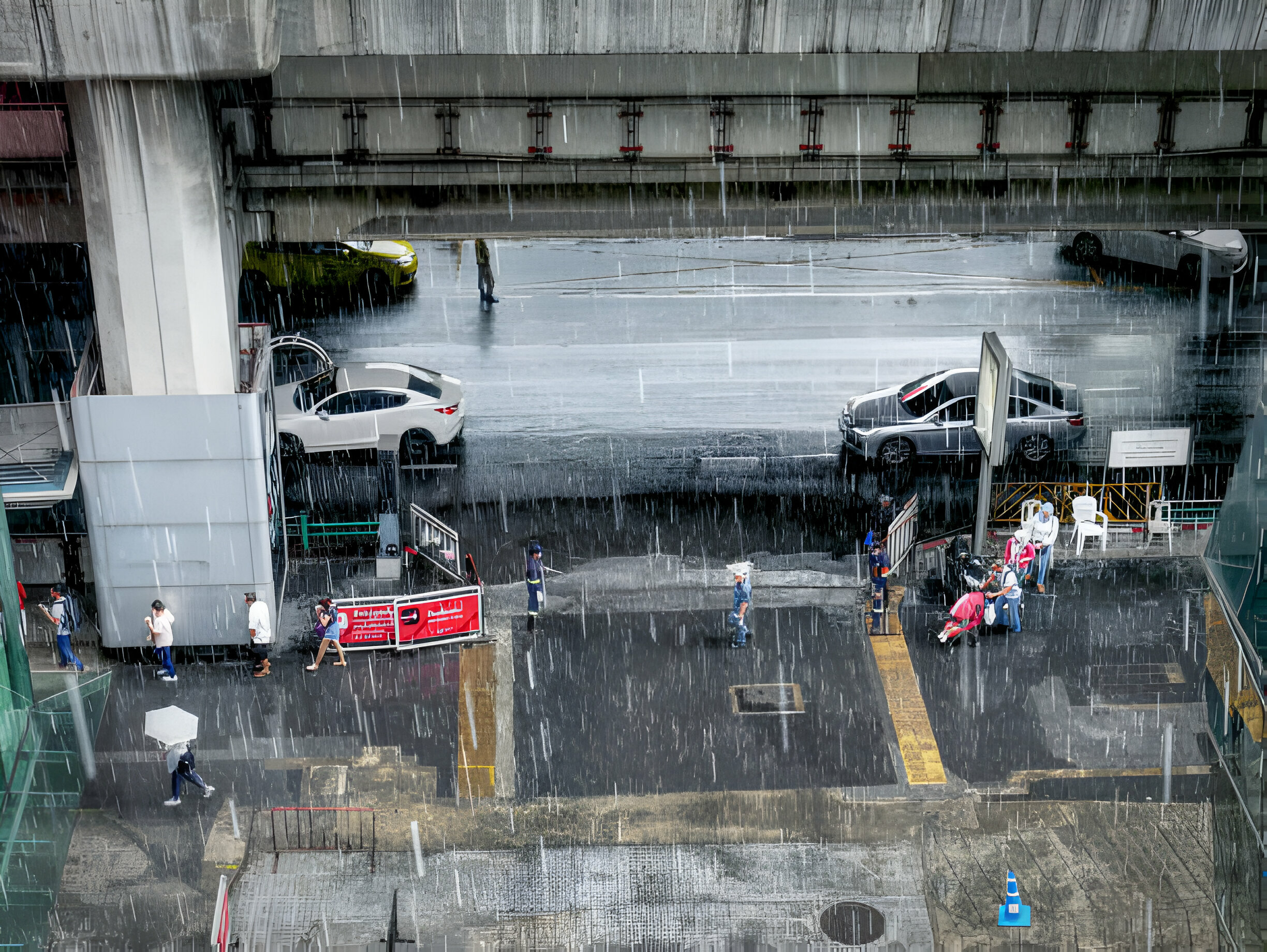
Bangkok remains a very good destination during the rainy season, especially if you plan a flexible mix of indoor and outdoor activities.
- Spend time in air-conditioned malls such as Siam Paragon or IconSiam.
- Visit museums, galleries, cafés, and covered markets.
- Plan transport with a little extra margin, as heavy rain can slow traffic.
Rainy Season Festivals You Shouldn’t Miss
Thailand’s wet months are also rich in tradition and local festivals.
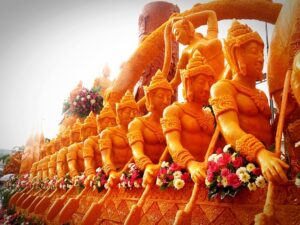
One highlight is the Candle Festival in Ubon Ratchathani, held every July and known for its spectacular wax sculptures linked to Buddhist Lent.
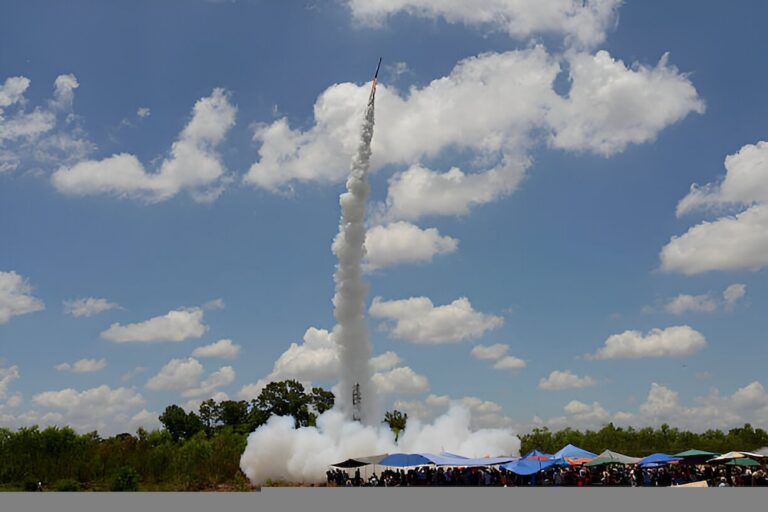
Another famous celebration is the Bun Bang Fai Rocket Festival, where communities launch handmade rockets to call for rain and mark the agricultural season.
Pros and Cons of Traveling During the Rainy Season
| Advantages | Disadvantages |
|---|---|
| Lower hotel prices and fewer tourists | Rain can disrupt outdoor plans or transport schedules |
| Greener landscapes and fresher air after storms | Localized flooding can affect some areas |
| A quieter, more atmospheric travel experience | Rough seas may affect beaches and boat trips on some coasts |
When Is the Best Time to Visit Thailand?
The best time to visit Thailand depends on where you want to go and what kind of trip you want.
Dry Season (November–March)
This is the most popular time of year, with sunnier weather, lower humidity, and generally better conditions for beaches and sightseeing.
Hot Season (April–May)
Temperatures can be very high, but this is also when Songkran, the Thai New Year water festival, takes place.
Rainy Season (May–October)
This period is ideal for travelers looking for greener scenery, fewer crowds, and better prices, as long as they stay flexible and choose the right region.
A Different Side of Thailand
Traveling during Thailand’s rainy season can reveal a slower, greener, and often more rewarding side of the country. The key is not to avoid the weather completely, but to understand regional patterns and build a smarter itinerary.
Before packing your bags, don’t forget to read our guide on the Thai Digital Arrival Card for a smoother arrival in Thailand.
🔄 Last updated on April 21, 2026