Preparing for a trip to Thailand also means thinking about your health before you leave: vaccines, travel insurance, mosquitoes, drinking water, food safety and medical emergencies. This Thailand travel health checklist covers the essential points to review before your departure.
📅 Updated July 2026: vaccine, insurance, mosquito, dengue and health-risk recommendations checked against official sources, including the CDC, WHO and Thailand Tourist Police.
Health in Thailand: the essentials in 30 seconds
- Vaccines: Thailand does not generally require vaccination for travelers arriving from countries without a yellow fever risk. However, routine vaccines such as DTP and MMR should be up to date, and hepatitis A is recommended.
- Insurance: Travel insurance is not generally mandatory for ordinary tourist entry, but it is advisable. Private hospitals offer high-quality care, although medical costs can quickly become expensive.
- Mosquitoes: Dengue is present in Thailand. Protect yourself during the day as well as in the evening by using a suitable tropical insect repellent.
- Medication: If you develop a fever, use paracetamol (acetaminophen) and avoid ibuprofen or aspirin unless advised otherwise by a healthcare professional, as dengue may be a possibility.
- Water & food: Avoid drinking tap water. Choose sealed bottled water and busy food stalls that cook meals to order and serve them piping hot.
Vaccines: the first step in protecting your health in Thailand
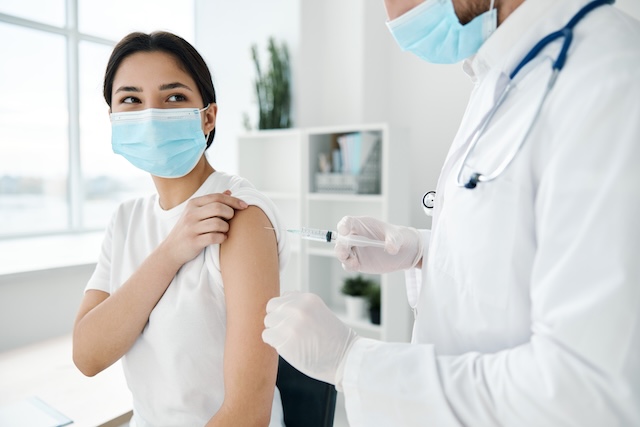
Reviewing your vaccination status is an important part of preparing for Thailand. Although vaccines are not generally required for travelers arriving directly from countries without a yellow fever risk, several are recommended. For official and up-to-date guidance in English, consult the CDC travel health page for Thailand.
Check that your routine vaccinations are up to date
Start by checking that the routine vaccinations recommended in your home country are up to date. These commonly include:
- Diphtheria, tetanus, pertussis and polio: Check whether a booster is due under your national vaccination schedule.
- Measles, mumps and rubella (MMR): Particularly important because measles cases continue to be reported internationally.
- Hepatitis A: Recommended for unvaccinated travelers, as the virus can spread through contaminated food or water.
Additional vaccines depending on your trip
Depending on the length of your stay, the areas you plan to visit and your activities, a healthcare professional may recommend additional vaccines to protect your health in Thailand:
- Typhoid: Recommended for many travelers, especially those visiting smaller towns or rural areas, staying with local residents or traveling in conditions where food and water hygiene may be uncertain.
- Hepatitis B: Recommended for unvaccinated travelers, particularly for long or repeated stays.
- Japanese encephalitis: Recommended for travelers spending one month or more in risk areas. It may also be considered for shorter trips involving extensive rural, outdoor or nighttime exposure.
- Rabies: Worth discussing for long stays, animal-related activities or travel to isolated areas where rapid access to post-exposure treatment may be difficult.
- Chikungunya: Vaccination may be considered for some travelers planning an extended stay, for example six months or more. For most short tourist trips, mosquito-bite prevention remains the priority.
The special case of yellow fever
Yellow fever vaccination is not recommended solely for travel to Thailand. However, a vaccination certificate may be required for travelers aged nine months or older arriving from a country with a risk of yellow fever transmission. This requirement can also apply after an airport transit or layover of more than 12 hours in a yellow-fever-risk country.
Travel insurance: an important part of staying healthy in Thailand
Thailand has a good healthcare system, particularly in the private sector, but treatment can be expensive for foreign visitors. Suitable insurance can reduce the financial risk of an accident, hospitalization or medical repatriation.
Is travel insurance mandatory for Thailand?
For ordinary tourist entry, travel insurance is not generally mandatory. However, it remains advisable for better protection against unexpected medical expenses. Some long-stay visas and specific immigration categories may have separate health-insurance requirements, so always check the conditions that apply to your visa.
Why should you consider travel insurance for Thailand?
Comprehensive Thailand travel insurance is useful because the standard travel protection included with a credit card is often limited. Consultations, medical examinations and hospitalization in a private hospital can be expensive, particularly after a serious road accident. Depending on the policy, travel insurance may also cover medical repatriation, direct payment of hospital bills and emergency medical assistance.
*Exact benefits, limits and exclusions depend on the policy and the medical circumstances. Always read the full policy wording before purchasing.
If you are traveling with children, your needs may be more specific. Benefits such as the repatriation of an accompanying parent and pediatric medical limits are covered in the family travel insurance for Thailand page.
How to prepare a travel medical kit for Thailand
Pharmacies are widely available in tourist areas, but a well-prepared travel medical kit will help you deal with minor problems without unnecessary stress. Bring any essential or prescription medication with you rather than relying on finding an exact equivalent after arrival.
Basic medication and treatments
- Pain and fever relief: Choose paracetamol for pain or fever.
- Anti-inflammatory medication: Avoid ibuprofen, aspirin and other non-steroidal anti-inflammatory drugs if you have an unexplained fever, unless advised by a healthcare professional, because dengue may be a possibility in Thailand.
- Digestive treatments: Carry suitable products for traveler’s diarrhea, together with any advice provided by your doctor or pharmacist.
- Oral rehydration salts: Very useful in cases of diarrhea, vomiting or dehydration caused by hot weather.
- Your regular medication: Bring enough of your usual treatment and keep it in its original packaging. Carry a prescription or medical letter in English, especially if you are traveling with a large supply or with controlled medication.
Thailand has strict rules concerning certain medicines and controlled substances. To avoid problems, also check the current cannabis laws in Thailand, which have changed significantly in recent years.
First-aid supplies and protective items
- Basic first-aid kit: Adhesive dressings, sterile gauze and antiseptic.
- Mosquito repellent: Choose a product suitable for tropical areas, containing an effective active ingredient such as DEET or icaridin/picaridin.
- Sun protection: SPF 50 sunscreen, sunglasses and a hat.
- Hand sanitizer: Useful for cleaning your hands before eating when soap and water are unavailable.
How to reduce health risks while in Thailand
Once you arrive, a few simple habits can help prevent many common health problems.
Air quality is another frequently underestimated risk, particularly in Bangkok and northern Thailand during the dry and burning seasons. Check local air-quality readings before prolonged outdoor activities, especially if you have respiratory problems or are traveling with children.
How to protect yourself effectively against mosquitoes

Mosquitoes in Thailand can transmit diseases such as dengue, chikungunya and Zika. To reduce your risk:
- Wear loose-fitting clothing that covers your arms and legs.
- Apply insect repellent to exposed skin, including during the day.
- Use mosquito nets, screens and electric mosquito repellents where appropriate.
For malaria, the risk is low or absent on most classic tourist itineraries. There is no malaria transmission in Pattaya, while cases are rare to few in Bangkok, Chiang Mai, Koh Samui and Phuket’s main tourist areas. The risk is higher in some rural, forested and border areas, especially near Myanmar, Cambodia and Malaysia. If you are planning a trek, an isolated stay or travel near a border, seek medical advice before departure.
Food hygiene and drinking water
To reduce the risk of food poisoning and traveler’s diarrhea:
- Do not drink tap water. Choose sealed bottled or properly filtered water.
- Be cautious with ice if you are unsure of its source, and avoid raw or undercooked food.
- Choose busy street-food stalls that cook meals to order and serve them piping hot. It is also a good opportunity to discover popular Thai street snacks.
Road safety: extra caution is essential
Road safety in Thailand is a serious concern. If you decide to rent a scooter in Thailand, always wear a suitable helmet and make sure you have the correct driver’s license and insurance coverage.
It is also useful to know what to do after an incident, so read our step-by-step guide on what to do after a scooter accident in Thailand.

What should you do in a medical emergency?
Even with careful preparation, emergencies can happen. Save these important numbers before your trip:
- Tourist Police: 1155 — available 24/7, with assistance in several languages.
- Medical emergency / Ambulance: 1669
- Police: 191
- Your embassy or consulate: Keep its emergency contact details available for serious situations such as a lost passport, hospitalization or a major accident.
Thailand’s healthcare system: what travelers should know
Thailand has both public and private healthcare facilities. This distinction is important for travelers because waiting times, English-language assistance, comfort and prices can vary considerably.
For tourists, a private hospital is often the most convenient option for a serious medical problem. Facilities such as Bumrungrad International Hospital and the Bangkok Hospital network, with hospitals in Bangkok, Phuket, Koh Samui, Chiang Mai and other destinations, offer international standards of care. Their fees can be high, which makes suitable travel insurance particularly valuable.
For foreign residents, choosing appropriate health insurance for expats in Thailand is equally important, as reimbursement levels and out-of-pocket costs can vary greatly between public schemes, private policies and international insurance plans.
What should you check before leaving for Thailand?
Before departure, check your vaccinations, prepare a suitable medical kit, protect yourself against mosquito bites during the day and evening, and save Thailand’s emergency numbers. Travel insurance with adequate medical limits remains advisable, especially if you plan to ride a scooter or travel with children.
FAQ: Health in Thailand
Are any vaccines mandatory for Thailand?
Vaccines are not generally required for travelers arriving from countries without a yellow fever risk. However, travelers aged nine months or older arriving from a country with a risk of yellow fever transmission may need to show a vaccination certificate, including after certain airport transits lasting more than 12 hours. Routine vaccinations should be up to date, and hepatitis A is recommended.
What is the best protection against mosquitoes in Thailand?
The best protection combines a suitable tropical insect repellent, loose-fitting clothing that covers the skin, and mosquito nets or screens where appropriate. Because the mosquitoes that spread dengue are active during the day, protection should not be limited to the evening.
Can you drink tap water in Thailand?
Drinking tap water is not recommended. Choose sealed bottled water or properly filtered water, and be cautious with ice if you do not know its source.
Is travel insurance really necessary for Thailand?
Yes. It is advisable, particularly in the event of an accident, hospitalization or medical repatriation. Before purchasing a policy, check the medical limits, scooter and motorbike exclusions, license requirements, deductibles and direct-payment conditions.