Planning your Thailand travel budget can quickly become confusing. Flights, hotels, food, transport and activities all add up — so how much should you really budget for Thailand in 2026?
The good news is that Thailand can suit almost every travel style. This guide breaks down the main expenses and helps you estimate a realistic daily budget depending on how you travel.
📍 Thailand Travel Budget: The Essentials in 30 Seconds
- 💰 Mid-range budget: €50–€80 per person per day.
- 🎒 Backpacker budget: €25–€35 per person per day.
- ✈️ Typical return flight from Europe: around €700–€1,200.
- 🍛 Street food meal: around €2–€3.
- 🏨 3-star hotel: around €25–€45 per night.
- 🗓️ Cheapest months: May, June and September.
How much does it cost to travel in Thailand?
Thailand can still offer very good value for travelers, especially for local food, transport and accommodation.
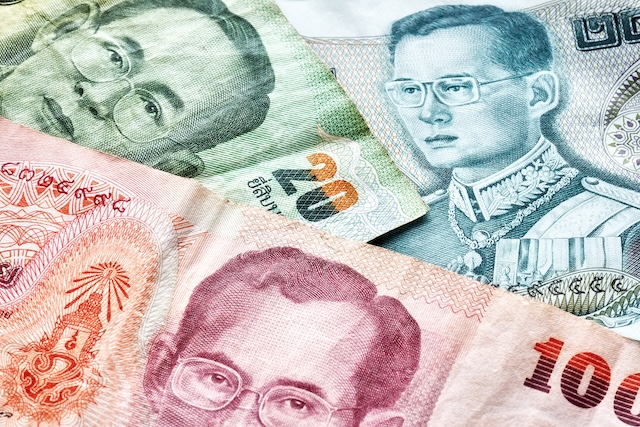
The local currency is the Thai Baht (THB). Exchange rates fluctuate, so it is worth checking the current rate before calculating your final budget. You can also consult the official Tourism Authority of Thailand currency information when preparing your trip.
Prices have increased in recent years, particularly for international flights and accommodation in highly touristy destinations such as Phuket and Koh Samui. However, Thailand can still offer excellent value compared with many popular international destinations.
Thailand daily budget at a glance
The table below gives you a quick comparison of the three main travel styles used throughout this guide.
| Travel Style | Daily Budget | Accommodation | Food | Transport |
|---|---|---|---|---|
| 🎒 Backpacker | €25–€35 | Hostels / budget rooms | Street food / food courts | Public transport |
| ✅ Mid-range | €50–€80 | 3-star hotels | Local + tourist restaurants | Taxis / Grab / occasional flights |
| 💎 Luxury | From €150 | 4–5-star hotels / resorts | Fine dining | Private transfers / frequent flights |
Travel costs vary significantly by destination
Where you stay in Thailand can make a major difference to your budget.
Popular southern destinations can be noticeably more expensive, particularly for accommodation and restaurants. This is especially true in places such as Phuket, where beach resorts and tourist areas tend to command higher prices.
Northern Thailand is usually more affordable. Travelers who want to keep costs under control will find plenty of inexpensive accommodation and food options in Chiang Mai and surrounding areas.
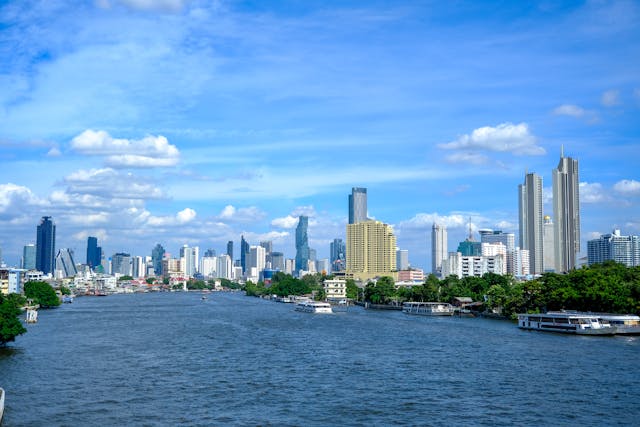
The capital sits somewhere in between. Our Bangkok travel guide can help you plan where to stay and what to see while keeping your daily expenses under control.
Backpacker budget: €25–€35 per day
With this budget, you can stay in hostels, eat mainly street food, use public transport and enjoy plenty of inexpensive or free activities.
Dorm beds can start from around €7–€10 per night, while a local meal often costs just €2–€3.
A backpacker budget works particularly well for travelers who are comfortable using local transport, eating where locals eat and keeping paid excursions to a minimum.
Mid-range budget: €50–€80 per day
This is a comfortable budget for couples and travelers who want a little more convenience.
You can stay in good 3-star hotels, often with a swimming pool, eat in a mixture of local and more comfortable restaurants, use taxis when needed and occasionally take domestic flights.
Around €60 per person per day is a useful starting point for this style of trip.
Luxury budget: from €150 per day
With a higher budget, Thailand offers excellent luxury options.
You can stay in 5-star hotels and beachfront resorts, use private transfers, enjoy fine dining and book premium experiences such as diving trips, private excursions or high-end cooking classes.

🚀 Estimate your Thailand budget in 2 minutes
Use this simple formula to estimate your spending in Thailand, excluding international flights:
(Estimated Daily Budget × Number of Days) + 15% Buffer = Total Budget
Example for two people traveling comfortably for 10 days:
((€60 × 2 people) × 10 days) + 15% = €1,200 + €180 = €1,380 for expenses in Thailand.
The 15% buffer is useful for unexpected costs such as ATM fees, shopping, extra transport or spontaneous activities.
Thailand travel budget breakdown
Now that you have an idea of the overall cost, let’s look at the main expenses individually.
International flights
International flights are often the biggest single expense.
For a return flight between Western Europe and Bangkok, a realistic average is around €700 to €1,200.
Prices vary considerably depending on the season. Lower fares are often available during May, June and September, while December and the main summer holiday period can be more expensive.
Booking several months ahead usually gives you more choice. It is also useful to know what to do if flights to Thailand are cancelled or rerouted, particularly when your itinerary includes connections.
Accommodation costs in Thailand
Thailand has accommodation for almost every budget:
- 🎒 Backpacker: hostel dormitories from around €7–€13 (approximately 250–500 THB).
- ✅ Mid-range: good 3-star hotels, sometimes with a pool, around €25–€45 for a double room.
- 💎 Luxury: 4- and 5-star hotels and resorts from around €70, with premium properties easily exceeding €200 per night.
Accommodation is one of the expenses most affected by location. A beachfront room on a popular island will usually cost considerably more than an equivalent room in northern Thailand or a less-touristy city.
Food budget in Thailand
Food is one of the best-value parts of traveling in Thailand.
- 🎒 Backpacker: street food and food courts can keep your daily food budget around €6–€10.
- ✅ Mid-range: mixing local restaurants with more tourist-oriented restaurants generally costs around €15–€25 per day.
- 💎 Luxury: fine dining, hotel restaurants and rooftop bars can easily bring the budget to €40 or more per day.
Eating locally is one of the easiest ways to keep costs down. If language is a concern, learning how to order food in Thailand can make local restaurants and food stalls much easier to use.
Transport costs in Thailand
Transport is generally affordable, although costs rise quickly if you move around the country frequently.
- 🎒 Backpacker: local buses, third-class trains and songthaews — around €2–€5 per day.
- ✅ Mid-range: metered taxis, Grab or Bolt, occasional domestic flights and sleeper trains — around €5–€10 per day.
- 💎 Luxury: private drivers, frequent domestic flights and private transfers — from around €25 per day.
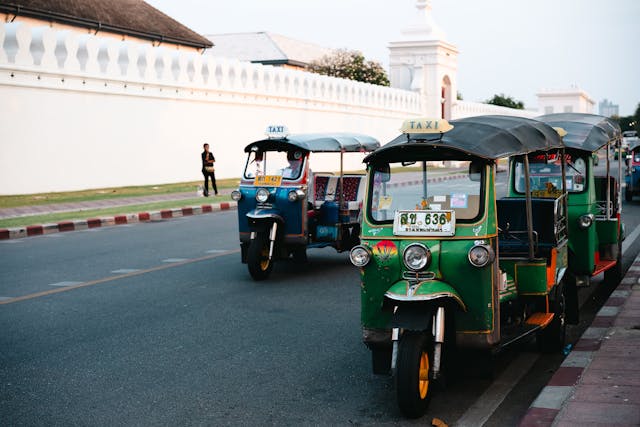
In tourist areas, tuk-tuks can be convenient but are not always the cheapest choice. Our guide to using tuk-tuks in Thailand explains how they work and what to expect before accepting a ride.
Some travelers also consider renting a motorbike to reduce local transport costs. Before doing so, read our guide to renting a scooter in Thailand and make sure you understand the main points covered in our Thailand road safety guide.
Activities and entertainment
This category depends heavily on what you want to do.
- 🎒 Backpacker: temples, beaches and hiking — around €5–€10 per day.
- ✅ Mid-range: boat trips, snorkeling, massages and national parks — around €10–€20 per day.
- 💎 Luxury: private excursions, diving, premium tours and private cooking classes — €50 or more per day.
9 ways to save money in Thailand
Knowing typical prices helps, but a few simple habits can make a significant difference to your overall Thailand travel budget.
- Eat where locals eat: street food and food courts offer excellent value, and many meals cost around €2–€3.
- Use public transport: buses and trains are economical for longer journeys. In cities, public transport, songthaews and ride-hailing apps such as Grab can often be cheaper than relying on tuk-tuks for every journey.
- Negotiate politely when appropriate: bargaining is common in some markets and for certain tuk-tuk journeys, but always keep it friendly and respectful.
- Reduce ATM fees: Thai ATMs commonly charge foreign cards a fixed withdrawal fee, so fewer and larger withdrawals can reduce the total cost. Our guide to withdrawing money in Thailand explains the options and fees in more detail.
- Book major expenses early: international flights and popular hotels during high season can be considerably cheaper when booked well ahead.
- Buy everyday essentials locally: water, snacks and basic items are widely available at convenience stores.
- Know the local rules: some products that are common elsewhere can cause serious problems in Thailand. One important example is covered in our guide to vaping in Thailand.
- Prepare your phone before departure: having mobile data immediately after arrival makes it easier to use maps, ride-hailing apps and hotel bookings. You can compare the options in our guide to the best eSIMs for Thailand.
- Protect yourself against unexpected expenses: before relying on your bank card, check the limits and exclusions described in our guide to credit card travel protection.
⚠️ Don’t rely only on your bank card’s travel insurance
Travel protection included with some credit cards can have limits, exclusions or excesses that are not suitable for every trip.
If you need broader medical and travel protection, compare the level of coverage, exclusions and excesses in our Thailand travel insurance guide.
Thailand trip cost by length of stay
The length of your stay has a major effect on your total budget. Longer trips often have a lower average daily cost because travelers tend to move more slowly and can spread large expenses over more days.
Thailand budget for 2 weeks
For around 15 days in Thailand, total costs can vary significantly depending on your travel style.
- Budget trip: approximately €1,200–€1,400 per person.
- Mid-range trip: approximately €1,800–€2,200 per person.
- Luxury trip: from around €3,500 per person.
Your choice of destinations matters just as much as the number of days. A trip focused on northern Thailand will generally produce a different budget from an itinerary built around southern islands and beach resorts.
Thailand budget for one month
For longer trips, the average daily cost can decrease because accommodation and transport can become more economical.
A backpacker spending around €30 per day locally could spend roughly €1,500–€1,800 in total for a month, depending heavily on the cost of international flights.
For a couple traveling at a comfortable level, a monthly budget of roughly €1,800–€2,200 in Thailand, excluding international flights, can be a useful starting point.
What is the cheapest time to visit Thailand?
The time of year can have a major effect on your travel budget.
The high season from November to February is generally the most expensive period, particularly in popular beach destinations.
Traveling during the lower season, roughly from May to October, can reduce accommodation and flight costs. May, June and September are often among the more affordable months.
The trade-off is the weather. Before choosing dates purely on price, check our Thailand weather guide and our detailed explanation of the rainy season in Thailand.
How much should you budget for Thailand?
Thailand can work for almost every travel style.
Backpackers can still travel relatively cheaply, while travelers looking for greater comfort can enjoy excellent hotels, restaurants and transport without reaching the costs seen in many other major tourist destinations.
The most important thing is to set a realistic daily budget, adapt it to the destinations you plan to visit and keep a small reserve for unexpected expenses.
Budget preparation is also about avoiding unnecessary losses. Learning about the most common scams to avoid in Thailand can help protect both your money and your trip.

FAQ: Thailand Travel Budget
How much money do I need per day in Thailand?
A comfortable mid-range budget is around €50–€80 per person per day, excluding international flights.
This can cover a good 3-star hotel, restaurant meals, transport and several activities.
Budget travelers can aim for around €25–€35 per day, particularly if they eat locally, use public transport and choose affordable destinations.
How much does a 2-week trip to Thailand cost?
For approximately two weeks, a reasonable total budget is around €1,200 for a budget trip to €2,200 for a comfortable trip per person, including international flights.
Luxury travel can cost considerably more, particularly if your itinerary includes premium island resorts, private transfers and organized excursions.
Is Thailand expensive to visit?
Thailand is still relatively affordable for many international travelers, particularly when it comes to local food, public transportation and accommodation.
Tourist islands and luxury resorts can be considerably more expensive than northern Thailand or less-touristy destinations, so where you travel matters as much as how you travel.
What is the cheapest month to travel to Thailand?
May, June and September are often among the cheapest months for traveling in Thailand.
They fall within the lower season, when hotel and flight prices can be lower than during the peak winter months.
Should I use cash or cards in Thailand?
Both are useful.
Credit and debit cards are widely accepted in major hotels, shopping malls and larger restaurants, but cash in Thai Baht remains important for street food, markets, taxis and small businesses.
Foreign cards used at Thai ATMs generally incur a local withdrawal fee, so it is useful to understand the options before you arrive.
Should I check Thailand’s entry requirements before traveling?
Yes. Entry rules can change, so check the latest requirements before departure. Our guide explains the current Thailand visa exemption and entry rules, while travelers should also complete the required formalities described in our guide to the Thailand Digital Arrival Card.