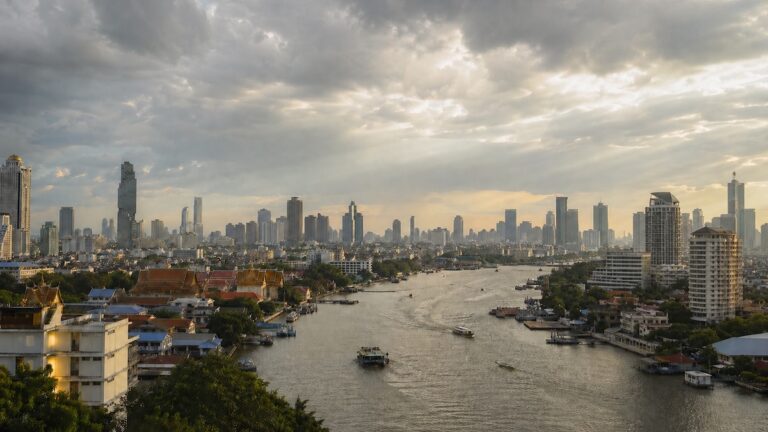
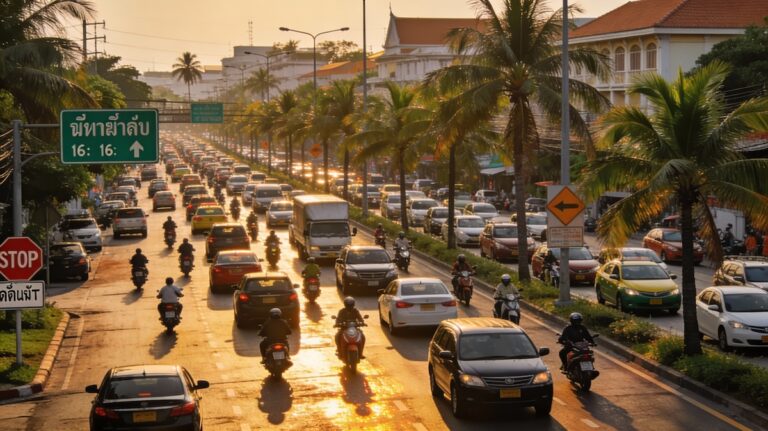
This Chiang Mai travel guide covers the temples, markets, neighborhoods, day trips and practical information you need to plan a trip to northern Thailand.
Chiang Mai combines historic temples, lively markets, mountain scenery and Lanna culture, with easy access to Doi Suthep, Doi Inthanon and ethical elephant experiences.
📌 Chiang Mai at a glance
- 📅 Best time to visit: November to February for cooler and generally drier weather.
- ⏱️ Recommended stay: 4 to 5 days for temples, markets and at least one day trip.
- 📍 Where to stay: Old City for temples and history, or Nimman for cafés and a more modern atmosphere.
- 🏯 Highlights: Wat Phra That Doi Suthep, the Old City, local markets and the surrounding mountains.
- ⚠️ Air quality: Smoke and haze can become a serious issue during the burning season, usually between February and April, with conditions varying from year to year.
Why visit Chiang Mai?
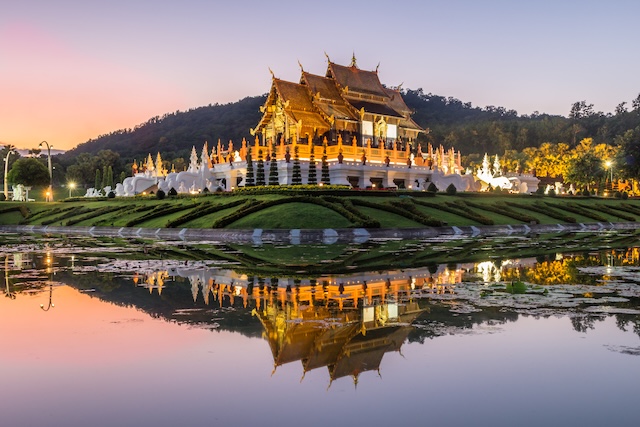
Chiang Mai was founded as the capital of the Lanna Kingdom and its historical identity remains visible throughout the city. The Old City is still surrounded by sections of its walls and moat, while temples, traditional markets and local neighborhoods sit alongside modern cafés, galleries and coworking spaces.
The city is also a practical base for exploring northern Thailand. Mountains, waterfalls, national parks and rural communities can be reached on day trips, while Chiang Rai and Pai can be incorporated into a longer northern itinerary.
To understand how the Lanna Kingdom fits into the country’s broader past, see the history of Thailand.
Best things to do in Chiang Mai
The interactive map below shows the main places mentioned in this guide.
Visit Chiang Mai’s main temples
Chiang Mai has hundreds of Buddhist temples, but three are particularly useful to include on a first visit.
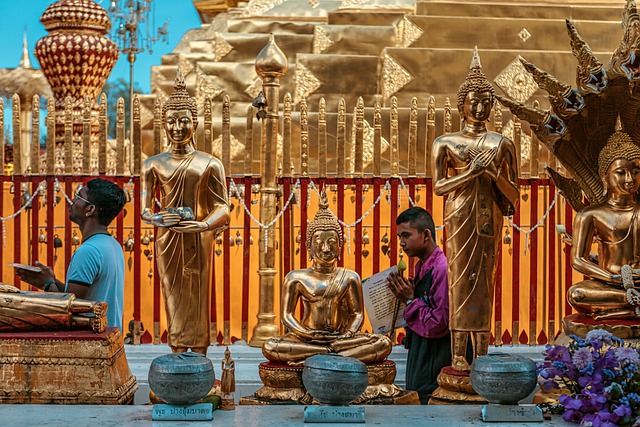
- Wat Phra That Doi Suthep: One of northern Thailand’s most important temples, located on the mountain above Chiang Mai. The terrace provides wide views over the city when visibility is good.
- Wat Chedi Luang: A major temple in the Old City built around a large partially ruined chedi.
- Wat Phra Singh: One of Chiang Mai’s best-known temples and an important center of Lanna Buddhist culture.
Explore the markets
- Sunday Walking Street: A large Sunday evening market through the Old City, with handicrafts, street food and local products.
- Night Bazaar: One of Chiang Mai’s main evening shopping areas, with markets, restaurants and entertainment.
- Warorot Market: A long-established local market selling food, fruit, clothing, spices and northern Thai products.
- Khlong Mae Kha: A renovated canal area that has become a popular evening walking area with small shops and cafés.
Experience Chiang Mai’s major festivals
- Loi Krathong and Yi Peng: Chiang Mai is one of Thailand’s best-known destinations for the Festival of Lights. Krathongs are floated on waterways while lantern-related celebrations take place around the city and province. See the Loi Krathong guide for more details.
- Songkran: Chiang Mai is also one of Thailand’s liveliest places during the Thai New Year celebrations in April. The Songkran guide explains the traditions and practical considerations.
How many days do you need in Chiang Mai?
2 days
- Spend the first day exploring the Old City, Wat Chedi Luang, Wat Phra Singh and local markets.
- Visit Doi Suthep the following morning and spend the rest of the day exploring another neighborhood or joining an ethical wildlife or cultural activity.
4 to 5 days
Four or five days gives you enough time for the main temples and markets while adding one or two excursions. A cooking class, a trip to Doi Inthanon, an ethical elephant experience or a countryside excursion can be included without rushing.
One week or longer
With a week, Chiang Mai can become the base for a broader northern Thailand trip. Pai, Chiang Rai, Chiang Dao and other mountainous areas can be added depending on your interests and transport plans.
Best day trips from Chiang Mai
- Doi Inthanon: Thailand’s highest mountain, with forest trails, waterfalls, viewpoints and cooler temperatures.
- Chiang Dao: A mountainous area north of Chiang Mai known for hiking, caves and dramatic scenery.
- Chiang Rai: Home to Wat Rong Khun, the Blue Temple and several attractions linked to northern Thai culture and the Golden Triangle.
- Pai: A small mountain town known for its relaxed atmosphere, hot springs and surrounding landscapes.
- Ob Luang National Park: A less visited option with forest, trails and a striking river gorge.
- San Kamphaeng: Known for hot springs and traditional craft areas east of Chiang Mai.
Food and local experiences
Northern Thai food to try
Chiang Mai is one of the best places to sample northern Thai cuisine. Markets, small local restaurants and cooking classes provide plenty of opportunities to try regional dishes.
- Khao soi: Curry noodle soup and one of northern Thailand’s signature dishes.
- Sai ua: Northern Thai sausage flavored with herbs and spices.
- Nam prik ong: A northern-style chili and tomato dip usually eaten with vegetables.
- Nam prik noom: A roasted green chili dip commonly served with vegetables and pork cracklings.
For more practical advice on local dishes, useful phrases and dining habits, see the guide to ordering food in Thailand.
Nature and hiking
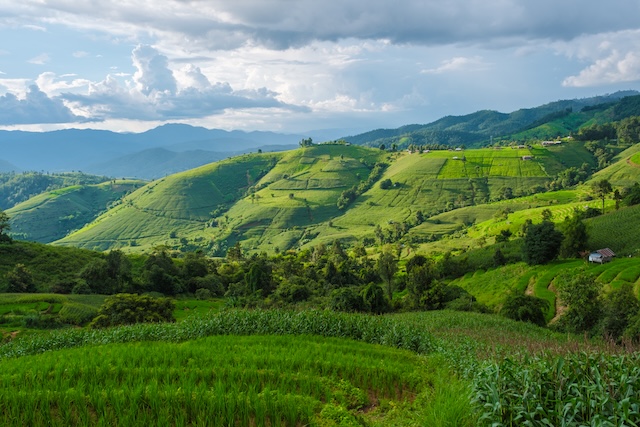
The mountains surrounding Chiang Mai offer hiking trails, waterfalls and rural landscapes. Conditions vary with the season, and some trails can become muddy during the rainy months.
Ethical elephant experiences
Elephant attractions are common around Chiang Mai, but standards vary considerably. Prioritize places where observation and natural behavior are emphasized rather than riding, performances or forced interactions.
The elephants in Thailand guide explains what to look for when assessing elephant tourism activities.
Massage and wellness
Traditional massage, yoga and meditation are widely available in Chiang Mai. Several temples and meditation centers also offer opportunities to learn more about Buddhist practice.
Tours and activities in Chiang Mai
Explore cooking classes, day trips and other experiences available from Chiang Mai.
Where to stay in Chiang Mai
| Area | Best for | Atmosphere |
|---|---|---|
| Old City | First-time visitors, temples, walking | Historic and convenient |
| Nimman | Cafés, nightlife, remote workers | Modern and lively |
| Santitham | Longer stays, value, local food | Local and residential |
| Riverside | Couples, quieter stays | Relaxed |
When is the best time to visit Chiang Mai?
November to February

This is generally the most comfortable period for sightseeing. Days are warm, evenings can be noticeably cooler and rainfall is usually lower than during the wet season.
March and April
Temperatures rise significantly and air pollution can become a major concern because of regional burning and weather conditions that trap haze. The exact severity and timing vary each year, so check current air-quality readings before traveling.
May to October
The rainy season brings greener landscapes and fewer visitors. Rain often falls in heavy showers rather than continuously throughout the day, although prolonged wet periods can occur.
For more context, see the Thailand rainy season guide and the broader Thailand weather guide.
Getting around Chiang Mai
Chiang Mai does not have a rapid-transit network comparable with Bangkok, but several transport options are available.
Current airport transport options are listed on the official Chiang Mai International Airport website.
- Songthaews: Red shared pickup trucks are one of the city’s traditional forms of transport.
- City buses: Public bus services connect the airport with parts of Chiang Mai.
- Tuk-tuks: Common for short urban journeys; confirm the fare before departure.
- Grab: Convenient for point-to-point trips and useful when you prefer to know the fare through an app.
- Scooters: Flexible for experienced riders, but Chiang Mai traffic and mountain roads require appropriate riding experience, a valid license and suitable insurance.
If you plan to ride, read the guide to renting a scooter in Thailand and the practical advice on road safety in Thailand before setting off.
Chiang Mai for digital nomads and longer stays
Chiang Mai has been a well-known base for remote workers for many years, particularly around Nimman and Santitham. Cafés, coworking spaces, relatively compact neighborhoods and a large international community make longer stays straightforward for many visitors.
Thailand also offers the Destination Thailand Visa (DTV) for eligible applicants, including certain remote workers and freelancers. Requirements depend on the applicant and consular process, so current conditions should always be checked through an official Thai embassy or the official Thailand e-Visa website before planning a long stay.
Practical tips for Chiang Mai
- Check air quality carefully if traveling between February and April.
- Carry mosquito repellent during the wetter months.
- Allow extra time when traveling into the mountains, particularly during heavy rain.
- Dress respectfully when visiting temples and remove shoes where required.
- Use a helmet and the correct license if riding a scooter.
- Consider travel insurance that covers your planned activities.
For vaccinations, mosquito protection and other health considerations, see the Thailand travel health guide.
Is Chiang Mai worth visiting?
Yes, especially for travelers interested in Thai culture, temples, food and mountain scenery. Chiang Mai offers a slower pace than Bangkok while still providing a large choice of restaurants, accommodation and activities.
Its main drawback is seasonal air pollution, which can significantly affect a trip during the burning season. Outside the worst periods, the city is one of the easiest bases for exploring northern Thailand.
FAQ about visiting Chiang Mai
How many days do you need in Chiang Mai?
Four to five days works well for a first visit. This allows time for the Old City, Doi Suthep, markets and at least one excursion outside the city.
What is the best month to visit Chiang Mai?
November, December and January are generally among the most comfortable months because temperatures are milder and rainfall is relatively low.
Is Chiang Mai affected by smoke pollution?
Yes. Air quality can deteriorate significantly during the regional burning season, particularly between February and April. Conditions vary each year, so check current air-quality data before traveling.
How do you get from Bangkok to Chiang Mai?
Flights are the quickest option. Trains and long-distance buses also connect Bangkok with Chiang Mai and are commonly used by travelers with more time.
Is Chiang Mai good for families?
Yes. Temples, markets, parks, cooking activities and many nearby nature attractions make it suitable for family trips, although individual activities should be chosen according to children’s ages.
Do you need a scooter in Chiang Mai?
No. Songthaews, taxis, app-based rides and other transport options can cover most urban trips. A scooter provides additional flexibility but should only be used by experienced riders with the correct license and insurance.
Which area is best for a first stay?
The Old City is usually the most convenient choice for a first visit because many temples, restaurants and markets are within walking distance. Nimman is a good alternative for travelers who prefer cafés, nightlife and a more modern setting.
Can you visit Chiang Rai from Chiang Mai?
Yes, but it is a long day trip. Travelers with enough time may prefer to stay overnight in Chiang Rai rather than spend most of the day traveling.
🔄 Last updated on October 11, 2026