Traveling to Thailand or Southeast Asia with an e-cigarette? Be careful: vaping is illegal in Thailand, even for tourists carrying their own devices. Penalties can go well beyond simple confiscation.
In 2026, several countries in the region, including Vietnam and Singapore, have tightened their vaping regulations. Here are the rules you need to know before arriving at the airport or starting your trip.
Vaping in Thailand in 2026: key facts at a glance
- Legal status: importing, selling and using e-cigarettes is prohibited in Thailand.
- Personal use: there is no general exemption for tourists bringing their own vape.
- Fines: UK travel advice mentions typical penalties of 5,000 to 30,000 THB, depending on the circumstances.
- Prison risk: certain offenses can lead to prosecution and substantial prison sentences.
- IQOS and disposable vapes: heated tobacco devices and disposable e-cigarettes are also restricted.
- Southeast Asia: several neighboring countries enforce vaping bans, with additional penalties introduced in 2026.
Why is vaping illegal in Thailand?
E-cigarette imports have been banned in Thailand since 2014. Restrictions also apply to the sale, possession and use of e-cigarettes. Thai authorities justify these measures primarily on public health grounds, including protecting young people from nicotine addiction.
Unlike some European countries, Thailand does not provide a general exemption allowing tourists to bring e-cigarettes for personal use. This is one of the local laws travelers should check alongside the latest Thailand safety and travel information.
Official sources: Royal Thai Embassy, London – Prohibition of e-cigarettes and Thai Government – E-cigarettes are illegal in Thailand.
What are the penalties for vaping in Thailand?

Many travelers assume that being caught with an e-cigarette only results in confiscation. In reality, penalties depend on the offense, including possession, use, importation or illegal distribution.
- Confiscation and fines: official UK travel advice refers to fines typically ranging from 5,000 to 30,000 THB. This is not a fixed legal penalty applicable to every case.
- Detention and prosecution: offenders may face court proceedings and could be required to remain in Thailand until their case is resolved.
- Maximum prison sentences: French consular guidance warns that certain offenses can carry up to 5 years in prison for possession and 10 years for importation, depending on the applicable legislation.
These maximum sentences are not automatically imposed on every tourist. The exact offense and the circumstances of the case are important.
Sources: UK Government – Thailand safety and security advice and French Ministry for Europe and Foreign Affairs – Local laws.
Why are vapes still sold in Bangkok and Pattaya?
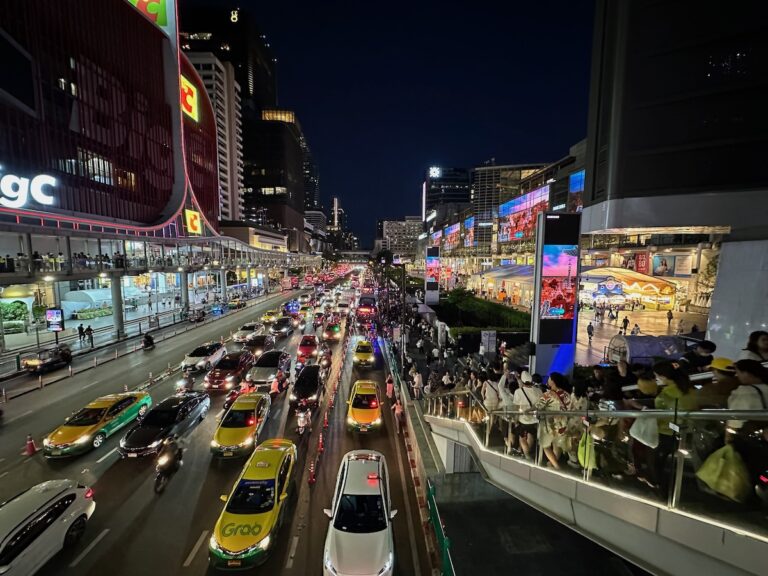
In Bangkok, Pattaya and Phuket, some street vendors and shops continue to offer disposable e-cigarettes, commonly known as puffs, alongside rechargeable vaping devices.
The fact that a product is openly available does not make it legal. Thai authorities regularly conduct operations targeting the illegal sale and distribution of e-cigarettes.
Buying a vape from a market stall or tourist shop does not protect you from inspections or legal penalties.
Are IQOS, heated tobacco and disposable vapes allowed?
Heated tobacco devices, including IQOS, are also covered by Thailand’s restrictions. UK government travel advice specifically mentions e-cigarettes, pods, e-liquids and heat-not-burn devices.
The fact that a device heats tobacco rather than e-liquid does not provide an exemption. The safest option is not to bring any vaping or heated tobacco equipment into Thailand.
Regular cigarettes in Thailand: customs and beach restrictions
Traditional cigarettes remain legal in Thailand, but bringing tobacco into the country and smoking in certain public areas are subject to separate rules.
How many cigarettes can you bring into Thailand?
Thai Customs allows a duty-free tobacco allowance of 200 cigarettes or 250 grams of tobacco per traveler. A combination of tobacco products must not exceed 250 grams in total, with no more than 200 cigarettes.
Be careful with shared luggage: if you are traveling as a couple or group, avoid putting everyone’s cigarette cartons in one person’s bag. Each traveler should comply with their own customs allowance.
Excess quantities must be dealt with according to customs instructions. Otherwise, they may lead to confiscation or prosecution.
Official source: Thai Customs – Importation of alcoholic beverages and cigarettes.
Can you smoke on beaches in Thailand?
Since 2018, smoking has been prohibited on several designated tourist beaches and coastal areas outside authorized smoking zones.
The original measure covered 24 beaches and coastal areas, including popular destinations in Thailand. On beaches covered by the restriction, penalties can reach 100,000 THB, one year in prison, or both.
This does not mean every beach in Thailand is subject to identical restrictions. Always check local signs and use designated smoking areas where available.
Official source: Royal Thai Embassy, Doha – Smoking restrictions on designated beaches.
Vaping laws in Southeast Asia in 2026
Thailand is not the only Southeast Asian country with strict vaping regulations. Several neighboring countries ban e-cigarettes, although the rules and penalties vary by destination.
| Country | Vaping in 2026 | What travelers should know |
|---|---|---|
| Thailand | ⛔ Banned | No general tourist exemption. |
| Vietnam | ⛔ Banned | Decree 90/2026 effective May 2026. |
| Singapore | ⛔ Banned | Stronger enforcement since May 2026. |
| Cambodia | ⛔ Banned | Restrictions reaffirmed in 2026. |
| Malaysia | ⚠️ Regulated | Restrictions vary by state. |
| Laos | ⛔ Banned | Enforcement strengthened in 2026. |
Regulatory status checked on November 18, 2026. Laws and enforcement practices can change, so verify the latest rules before traveling.
Vietnam and Singapore: major changes in 2026
In Vietnam, e-cigarettes and heated tobacco products have been prohibited since 2025. Under Decree No. 90/2026/ND-CP, effective from May 15, 2026, using these products is punishable by a fine of 3 million to 5 million VND. Allowing their use at premises under one’s ownership or management can also result in fines of 5 million to 10 million VND, depending on the circumstances.
In Singapore, the Tobacco and Vaporisers Control Act came into force under its strengthened framework on May 1, 2026. It reinforces penalties and enforcement measures relating to the possession, use, importation and supply of vaping devices. Products containing certain psychoactive substances are subject to additional controls.
Official sources: Vietnam Government – New policies effective May 2026 and Singapore Health Sciences Authority – Vaping enforcement.
Cambodia, Laos and Malaysia: different approaches
In Cambodia, e-cigarettes are prohibited. On October 7, 2026, Prime Minister Hun Manet reaffirmed the government’s restrictive policy, particularly regarding the importation, distribution and use of vaping products.
In Laos, e-cigarettes are also banned. In March 2026, the World Health Organization confirmed renewed efforts with Lao authorities to strengthen enforcement of the prohibition.
Malaysia has a different regulatory framework. Vaping products are regulated federally, while several states impose additional restrictions. A nationwide ban remains under discussion and had not been implemented as a general prohibition by November 18, 2026.
Sources: Agence Kampuchea Presse – Cambodia, October 2026, WHO – Vaping ban enforcement in Laos and Bernama – Malaysia’s proposed nationwide vape ban, November 2026.
Thailand’s cannabis laws versus vaping restrictions
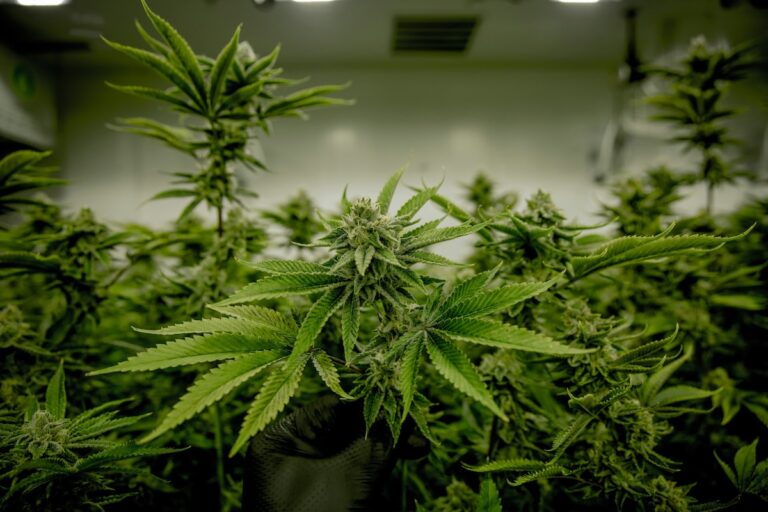
Some travelers find it confusing that cannabis dispensaries still exist in Thailand while electronic cigarettes remain illegal. However, the two products are governed by different legal frameworks.
Since June 2025, Thailand’s cannabis laws have shifted toward a stricter medical framework, with prescription requirements and tighter controls on dispensaries.
E-cigarettes remain prohibited from importation and subject to restrictions on possession and use. The existence of regulated medical cannabis does not mean vaping is legal in Thailand.
Practical advice: traveling without a vape
Airport luggage and transit rules
Before leaving home, check your bags for forgotten disposable vapes, vaping devices and related accessories.
Aviation safety rules generally prohibit e-cigarettes in checked luggage because of their lithium batteries. However, an airline allowing a device in carry-on luggage does not mean it is legal to import it into Thailand.
Transiting through Bangkok: an international connection without entering Thailand is not automatically the same as clearing customs to enter the country. Nevertheless, airport security checks, airline policies and customs procedures may still apply. Confirm the rules with your airline and the relevant authorities before departure.
Alternatives to vaping during your stay
Travelers who want to manage nicotine cravings can ask local pharmacists about nicotine replacement products, including patches and gum.
These products may be available at pharmacies in Thailand. Ask a pharmacist about their availability, suitability and proper use rather than assuming every product sold elsewhere is permitted locally.
What should you do if the police stop you?
If you are stopped with an e-cigarette in Thailand:
- Stay calm and polite. Avoid confrontation or physical resistance.
- Ask for an official procedure and documentation for any fine or confiscation, where applicable.
- Do not offer informal payments. Attempted bribery can create additional legal problems.
- If arrested or prosecuted, request access to your consulate and seek legal assistance.
5 essential rules for travelers
- Vapes: do not bring e-cigarettes into Thailand.
- IQOS: heated tobacco devices are not exempt.
- Regular cigarettes: respect the allowance of 200 cigarettes or 250 g of tobacco.
- Beaches: smoke only where permitted.
- Southeast Asia: check the rules for every country on your itinerary.
Visiting Thailand? Leave your vape at home
In Thailand, carrying or using an electronic cigarette can lead to confiscation, fines or legal proceedings. The consequences depend on the offense, but they can seriously disrupt a holiday.
Restrictions in Vietnam, Singapore and several other Southeast Asian countries make it equally important to check local laws before crossing borders.
The simplest precaution is to leave your e-cigarette at home when traveling to a country that prohibits its importation or use.
FAQ: vaping in Thailand in 2026
Is vaping legal in Thailand in 2026?
No. Importing, selling and using e-cigarettes is prohibited in Thailand, and possession can also result in penalties. There is no general exemption for tourists or personal use.
How much is the fine for vaping in Bangkok?
There is no single fixed fine. Official UK travel advice mentions penalties typically ranging from 5,000 to 30,000 THB, but the amount depends on the offense. Confiscation, detention and court proceedings are also possible.
Can you buy e-cigarettes in Thailand?
Some vendors still sell them illegally, but availability does not make them legal. Purchasing, possessing or using these devices may expose travelers to legal consequences.
Can you put an e-cigarette in checked luggage?
No. Aviation safety rules generally prohibit e-cigarettes in checked baggage because of their batteries. Importing a vape into Thailand also remains prohibited, even when it is carried in cabin luggage.
Are IQOS devices banned in Thailand?
Yes. Heated tobacco devices such as IQOS are covered by Thailand’s restrictions and do not benefit from a general exemption for personal use.
Can you vape in hotel smoking areas?
No. A designated smoking area for traditional cigarettes does not authorize vaping. National restrictions still apply, even if an individual establishment appears to tolerate it.
Can you bring a vape through Bangkok airport in transit?
An international transit does not guarantee that carrying an e-cigarette is permitted. Airline regulations, security screening and possible customs formalities must be considered. Check with your airline and the relevant authorities before traveling.