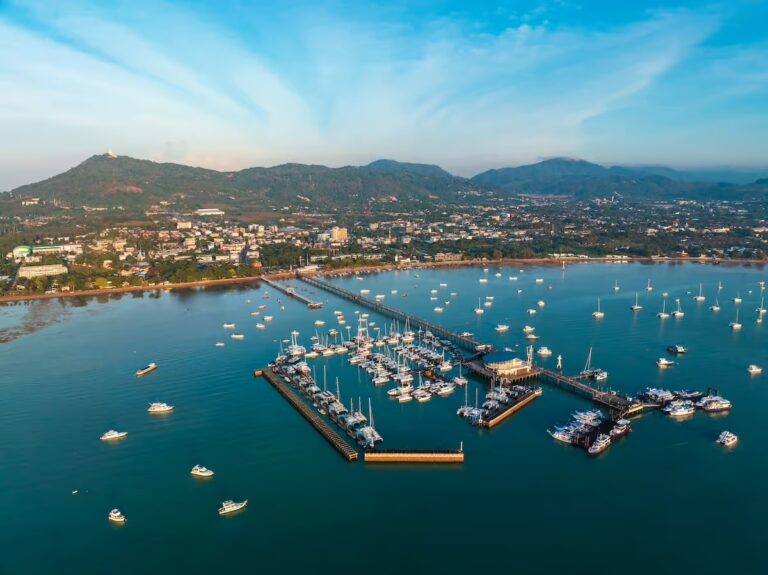
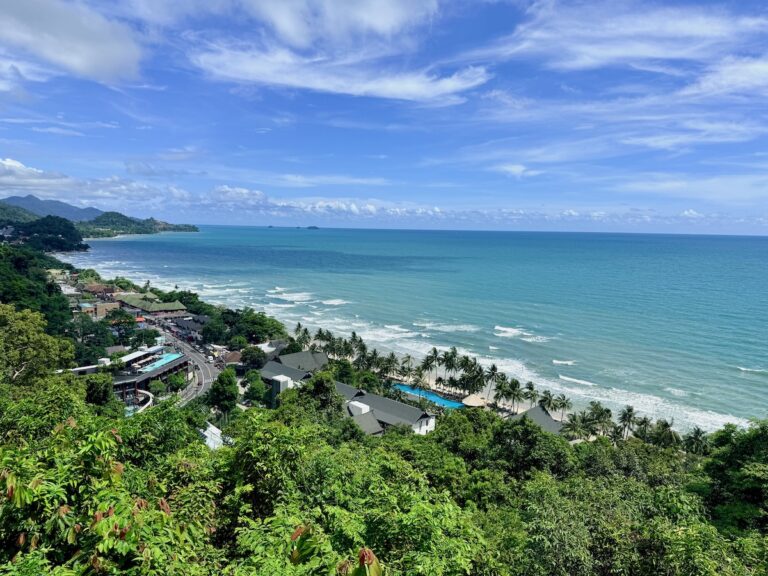
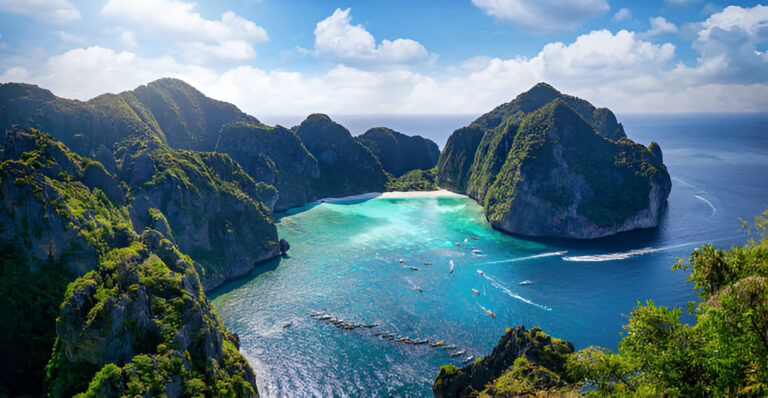
Visiting Koh Samui means discovering one of Thailand’s most popular Gulf islands, with a wide variety of beaches, impressive temples, waterfalls and plenty of opportunities for boat trips.
Chaweng, Lamai, Bophut, Maenam and Taling Ngam all offer very different experiences. This Koh Samui travel guide will help you decide where to stay, what to see, when to visit and how to organise a few days on the island.
📌 Koh Samui at a glance: The essentials
- Best time to visit: January to April generally offers good conditions, while June to August can also be an attractive option.
- For nightlife and entertainment: Chaweng.
- For a good balance: Lamai.
- For a quieter atmosphere: Bophut, Maenam, Choeng Mon or the western side of the island.
- Must-see attractions: Big Buddha, Wat Plai Laem, Na Muang Waterfalls, Hin Ta and Hin Yai.
- Top day trip: Ang Thong Marine National Park.
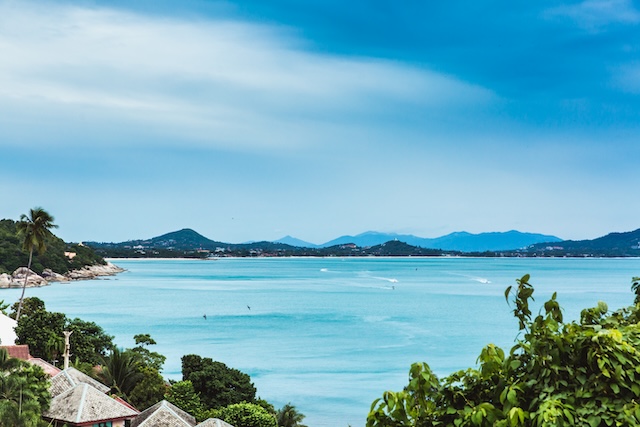
Map of places to visit in Koh Samui
This map shows the main beaches, temples and attractions featured in this guide.
Why visit Koh Samui?
Koh Samui stands out for its diverse beaches and more developed infrastructure compared with many smaller Thai islands. You’ll find plenty of restaurants, accommodation, shops and transport options, while still being able to stay in much quieter areas.
The island also makes it easy to combine beach time with temple visits, waterfalls, markets, snorkelling and excursions to other islands in the Gulf of Thailand.
For additional information about the island and its attractions, you can consult the official Koh Samui guide from the Tourism Authority of Thailand.
If you’re comparing destinations on Thailand’s different coasts, take a look at our Phuket travel guide and Krabi travel guide.
Koh Samui, Koh Phangan or Koh Tao?
Of the three islands, Koh Samui is generally the easiest choice for travellers looking for a wide range of accommodation, restaurants and services. Koh Phangan offers a greater contrast between peaceful beaches, wellness retreats and party areas, while Koh Tao particularly appeals to visitors interested in diving.
When is the best time to visit Koh Samui?
Koh Samui’s climate differs from that of Phuket or Krabi. Its heaviest rainy season generally occurs later in the year.
- January to April: generally favourable conditions for beaches and outdoor activities.
- May to September: hot weather with a mixture of sunshine and showers. June to August can be a good option for visiting Thailand during the summer months.
- October and November: usually the wettest period of the year.
- December: a transitional month, with conditions that can vary from year to year.
To understand how Koh Samui’s climate compares with other regions, read our guide to the rainy season in Thailand and our article about visiting Thailand in summer.
How many days do you need in Koh Samui?
Three days are enough to discover several major attractions, but five days allow for a much more relaxed pace and give you time for a boat trip without sacrificing your beach days.
3 days in Koh Samui
- Day 1: explore your local area, enjoy the beach and spend the evening at Fisherman’s Village or in Chaweng.
- Day 2: visit Big Buddha, Wat Plai Laem, Hin Ta and Hin Yai, followed by some time at Lamai Beach.
- Day 3: discover Na Muang Waterfalls or take a boat excursion, depending on your interests.
5 days in Koh Samui
- Days 1 and 2: follow the first two days of the itinerary above.
- Day 3: explore Na Muang Waterfalls and enjoy more time on the island, rather than booking a boat excursion.
- Day 4: take a day trip to Ang Thong Marine National Park.
- Day 5: explore the quieter beaches along the northern, southern or western parts of the island.
If you have more time, consider extending your trip to neighbouring Koh Phangan or Koh Tao. You can also use our Thailand itinerary planner to organise a longer journey.
Things to do in Koh Samui
Explore Koh Samui’s best beaches
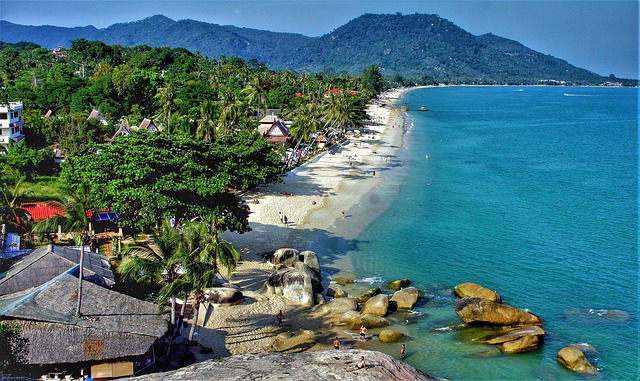
Here’s how Koh Samui’s main beaches compare.
| Beach | Atmosphere | Best for |
|---|---|---|
| Chaweng | Very lively | Restaurants, activities and nightlife |
| Lamai | Lively but more relaxed | Couples, families and varied holidays |
| Silver Beach | Small sheltered bay | Swimming, relaxing and snorkelling when conditions allow |
| Choeng Mon | Quieter | Couples and families |
| Maenam | Peaceful | Relaxation and longer stays |
| Lipa Noi | Less developed | Peace and sunsets |
| Taling Ngam | Secluded | Relaxation and a less urbanised setting |
For a different island experience, you can also read our Koh Chang review, based on two weeks spent on the island.
Big Buddha and Wat Plai Laem
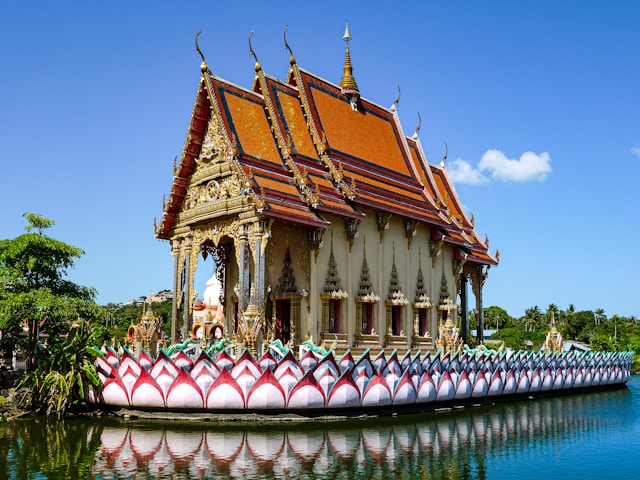
Two of Koh Samui’s best-known religious attractions are located in the northeastern part of the island.
- Big Buddha (Wat Phra Yai): a large golden Buddha statue overlooking the Bang Rak area.
- Wat Plai Laem: a Buddhist temple complex particularly known for its multi-armed statue of Guanyin.
Both are active places of worship, so visitors should dress appropriately and behave respectfully.
Hin Ta and Hin Yai Rocks
Located near Lamai, these natural rock formations are famous for their unusual shapes. A visit is relatively quick and can easily be combined with Lamai Beach or a drive around the southern part of the island.
Na Muang Waterfalls
Na Muang Waterfalls are among the main natural attractions in Koh Samui’s interior. Water levels vary considerably depending on the season and recent rainfall.
The rocks can be slippery, especially after rain. Wear suitable footwear and take care around the pools.
Lad Koh Viewpoint
Located between Chaweng and Lamai, this viewpoint offers an easily accessible panorama of the island’s eastern coastline. Its convenient location makes it a worthwhile stop when travelling around Koh Samui.
Fisherman’s Village in Bophut
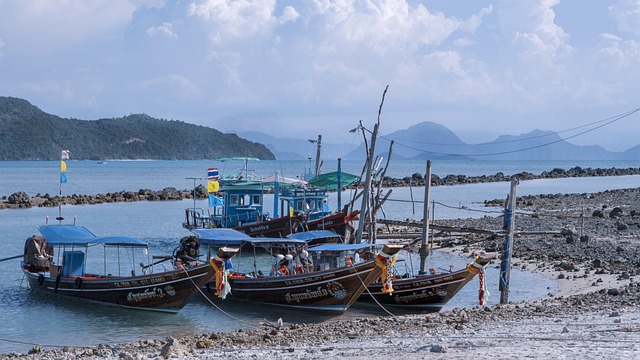
Fisherman’s Village is now one of the most popular tourist areas in northern Koh Samui. It offers restaurants, shops, cafés and markets on certain days of the week.
It’s particularly enjoyable in the late afternoon and evening, providing a different atmosphere from Chaweng.
Best day trips from Koh Samui
Ang Thong Marine National Park
Ang Thong Marine National Park consists of an archipelago of limestone islands west of Koh Samui. Day trips usually include a selection of activities depending on the operator and weather conditions, such as boat tours, kayaking, viewpoints, snorkelling or beach stops.
Access to some areas may be restricted due to weather conditions or environmental protection measures. Before booking your excursion, check the Tourism Authority of Thailand’s information on seasonal national park closures and confirm the park’s current status with your tour operator.
Koh Phangan
Koh Phangan can be explored during a separate stay or, depending on available ferry connections, as part of a day trip. The island is known for its beaches and quieter areas, as well as the famous Full Moon Party.
Koh Tao and Koh Nang Yuan
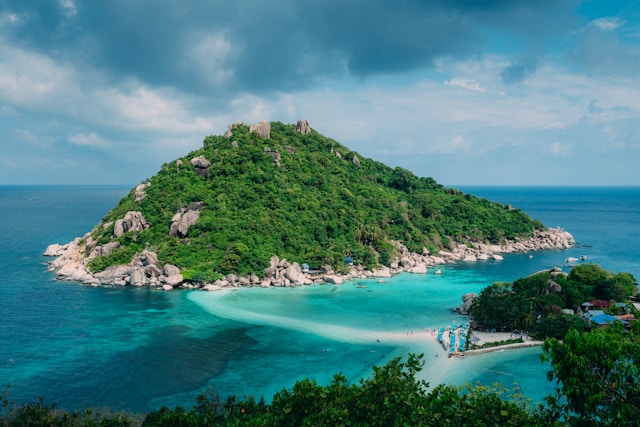
Koh Tao is particularly well known for scuba diving and snorkelling. However, a day trip from Koh Samui involves more travel time than a local excursion, so make sure you check the total journey duration before booking.
Activities and excursions in Koh Samui
Explore tours, activities and boat trips available in Koh Samui and the surrounding islands.
Where to stay in Koh Samui
| Area | Atmosphere | Best for |
|---|---|---|
| Chaweng | Very lively | Nightlife, restaurants and an active first visit |
| Lamai | Lively but more relaxed | Couples, families and a balance of beach time and services |
| Bophut | Restaurants and seaside walks | Couples, families and quieter evenings |
| Choeng Mon | Residential and peaceful | Couples and families |
| Maenam / Bang Por | Quiet | Relaxation and longer stays |
| Lipa Noi / Taling Ngam | Less urbanised | Peace and seclusion |
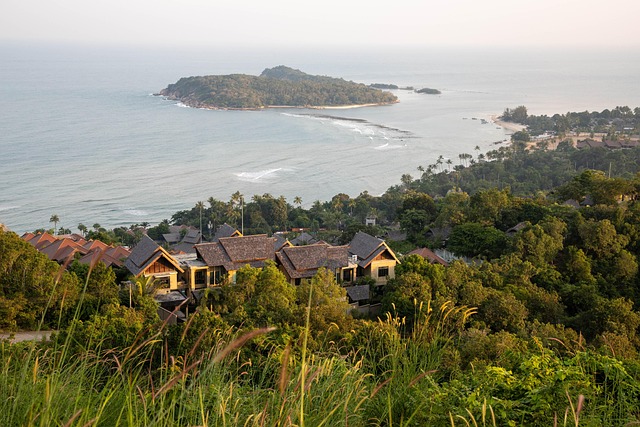
For a first visit, Chaweng or Lamai are generally the easiest choices if you want restaurants, shops and services nearby. Bophut provides a good balance between convenience and tranquillity, while the northwestern and western parts of the island are better suited to travellers seeking a peaceful stay.
How to get to Koh Samui
By plane
Koh Samui has its own airport. Flights connect the island with Bangkok and other destinations, depending on schedules and the time of year.
If you’re travelling through the capital, our Bangkok travel guide can help you plan that part of your journey.
By ferry
Another option is to travel to Surat Thani province and take a ferry from the Donsak area to Koh Samui. Depending on the operator, ferries arrive at Nathon or Lipa Noi on the western side of the island. Check your arrival pier and onward transfer before booking, especially if you’re staying in Chaweng, Lamai or Bophut.
How to get around Koh Samui
Distances can be considerable, and the beaches are spread around the island’s coastline. The best way to get around therefore depends on where you’re staying and what you plan to visit.
- Songthaews: shared passenger vehicles operating along several main routes.
- Taxis and ride-hailing services: convenient for occasional journeys. Compare fares or agree on the price beforehand when necessary.
- Rental car: a practical option for exploring the island as a group or with children.
- Scooter: suitable only for experienced riders with the appropriate licence and insurance coverage.
Before renting a motorbike, read our practical guide to renting a scooter in Thailand.
Is Koh Samui expensive?
Koh Samui can be noticeably more expensive than some mainland destinations, especially when it comes to beachfront accommodation, taxis and high-end resorts.
However, the cost of your stay depends heavily on the area, season and level of comfort you choose. Chaweng and the main tourist areas offer accommodation across a wide price range, while luxury villas and resorts can quickly increase your budget.
For a broader estimate based on your travel style, read our Thailand travel budget guide.
Markets, food and nightlife
Markets and small local restaurants are great places to discover southern Thai cuisine beyond the tourist restaurants and hotels.
You’ll find many classic Thai dishes on Koh Samui, alongside southern specialities that are often spicier and feature fish and seafood.
For more food inspiration, discover our guide to Thai street snacks.
Where to go out at night
- Chaweng: the liveliest area, with bars, clubs and restaurants.
- Lamai: a nightlife scene that’s generally more relaxed than Chaweng’s.
- Bophut: restaurants, bars and evening strolls around Fisherman’s Village.
- Maenam and more remote areas: considerably quieter after dark.
Wellness and relaxation
Koh Samui is also known for its spas, massages, yoga centres and wellness retreats. Many of these establishments are located in quieter parts of the island.
Compare services, advertised qualifications and booking conditions before choosing any medical, detox or other wellness programme that makes health-related claims.
Safety tips for visiting Koh Samui
- Scooters: motorbike accidents are a significant risk. Always wear a helmet and never ride without the appropriate licence.
- Swimming: follow beach flags and local safety advice, especially when the sea is rough.
- Sun and heat: stay hydrated and avoid prolonged sun exposure during the hottest hours.
- Waterfalls: rocks can become extremely slippery after rain.
- Boat excursions: itineraries may change when sea conditions are unfavourable.
Appropriate Thailand travel insurance may cover certain medical or assistance costs, depending on the policy and its exclusions.
You can also read our guide to the most common scams in Thailand.
Responsible tourism in Koh Samui
Tourism development puts considerable pressure on the island’s resources, particularly water supplies, waste management, traffic and the protection of marine environments.
- Reduce your use of single-use plastics whenever possible.
- Never leave rubbish on beaches or in natural areas.
- Avoid touching coral while snorkelling or diving.
- Respect the rules in national parks and protected areas.
- Do not feed or handle wild animals.
- For elephant-related activities, choose observation-based experiences and avoid riding or performances.
To learn more about local wildlife and responsible animal encounters, explore our guides to animals in Thailand and elephants in Thailand.
FAQ: Visiting Koh Samui
What is the best time to visit Koh Samui?
January to April generally offers favourable conditions, while June to August can also be a good choice. October and November are usually the wettest months.
How many days do you need in Koh Samui?
Plan at least three days to see the main attractions, or five days for a more relaxed stay with time for an excursion to Ang Thong Marine National Park.
Which area of Koh Samui is best for a first visit?
Chaweng suits travellers looking for plenty of entertainment and convenient services. Lamai provides a slightly quieter balance, while Bophut is often chosen for its restaurants and pleasant evening atmosphere.
Can you visit Koh Samui without renting a scooter?
Yes. Taxis, ride-hailing services, songthaews, transfers and organised excursions make it possible to explore Koh Samui without riding a scooter. Choosing accommodation in a convenient location becomes particularly important.
Is Koh Samui suitable for families?
Yes. Several beaches and areas offer family-friendly accommodation and facilities. Choeng Mon, Lamai, Bophut and certain parts of Maenam can be good choices, depending on how lively or quiet you want your stay to be.
Koh Samui or Phuket: Which should you choose?
Koh Samui is particularly appealing for exploring the Gulf of Thailand and may enjoy better weather than the Andaman coast during part of the summer. Phuket, on the other hand, has more extensive infrastructure and provides convenient access to many destinations in the Andaman Sea.
Can you travel from Koh Samui to Koh Phangan and Koh Tao?
Yes. Ferries connect the main islands in the Gulf of Thailand. Timetables and frequencies vary depending on the operator, season and weather conditions.