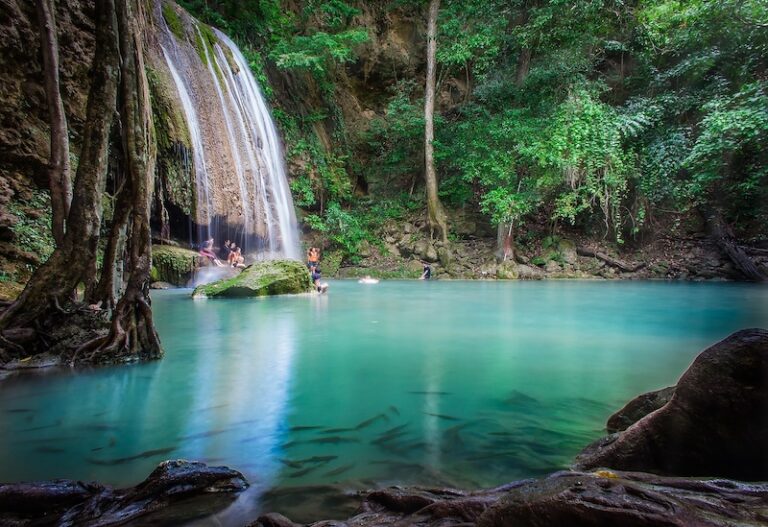
In 2026, Khao Yai ranks as the most visited national park in Thailand. The Department of National Parks, Wildlife and Plant Conservation (DNP) recorded 20,893,354 visits across the national parks and other sites it monitors, an increase of 7.83% compared with 2025.
Explore the top 20 national parks, year-on-year changes and the destinations attracting the most foreign visitors, based on official statistics.
These figures cover the fiscal year from 1 October 2025 to 30 September 2026, rather than the calendar year.
Total visits
20.89 M
Recorded visits
Annual change
+7.83%
Compared with 2025
Foreign visits
6.46 M
30.9% of all visits
Most visited park
Khao Yai
2,392,697 visits
Source: DNP, fiscal year 2026. Data as of 15 October 2026. National totals include some sites awaiting formal national park designation.
What Are the 20 Most Visited National Parks in Thailand in 2026?
Khao Yai leads the ranking, followed by two coastal national parks: Hat Noppharat Thara–Mu Ko Phi Phi, in the Krabi area, and Khao Laem Ya–Mu Ko Samet, in Rayong Province.
The table lists the 20 most visited national parks during fiscal year 2026. Sites still classified by the DNP as awaiting formal national park designation have been excluded.
| Rank | National park | Visits in 2026 |
|---|---|---|
| 1 | Khao Yai | 2,392,697 |
| 2 | Hat Noppharat Thara–Mu Ko Phi Phi | 1,706,569 |
| 3 | Khao Laem Ya–Mu Ko Samet | 1,062,704 |
| 4 | Doi Inthanon | 807,815 |
| 5 | Khao Khitchakut | 698,820 |
| 6 | Erawan | 656,041 |
| 7 | Doi Suthep–Pui | 614,596 |
| 8 | Khao Sok | 558,133 |
| 9 | Khlong Lan | 556,789 |
| 10 | Mu Ko Similan | 468,333 |
| 11 | Ao Phang Nga | 382,855 |
| 12 | Namtok Phlio | 348,976 |
| 13 | Namtok Chet Sao Noi | 338,156 |
| 14 | Khao Sam Roi Yot | 316,120 |
| 15 | Phu Langka | 276,910 |
| 16 | Hat Chao Mai | 261,948 |
| 17 | Tarutao | 258,831 |
| 18 | Tat Ton | 253,123 |
| 19 | Phu Hin Rong Kla | 246,024 |
| 20 | Khao Chamao–Khao Wong | 215,845 |
Source: DNP, fiscal year 2026. Ranking calculated by Portail Asie. Figures represent recorded visits, not unique individuals.
Why Is Bua Tong Missing from the Ranking?
The Namtok Bua Tong–Nam Phu Chet Si site, near Chiang Mai, recorded 940,704 visits in 2026. It would rank fourth if every site monitored by the DNP were included without distinction.
However, the official October 2026 tables still classify it as a site awaiting formal national park designation. Portail Asie therefore lists it separately to distinguish established national parks from sites still undergoing the designation process.
Khao Yai Remains Number One with 2.39 Million Visits
Located approximately 200 kilometres from Bangkok, Khao Yai remains comfortably in first place. Visits increased by 11.7% year on year. This extensive national park is particularly well known for its forests, waterfalls and wild elephants.
Travellers planning a visit can explore its waterfalls and wildlife-viewing areas, although sightings of wild animals are never guaranteed. Checking access rules and arranging transport in advance are advisable.
Marine National Parks Complete the Top Three
Hat Noppharat Thara–Mu Ko Phi Phi, which includes the Phi Phi Islands and Maya Bay, ranks second despite an annual decline of 8.9%.
Khao Laem Ya–Mu Ko Samet takes third place. Located in Rayong Province, this national park includes coastal and marine areas within reach of Bangkok and Pattaya.
These two destinations highlight the importance of coastal attractions in Thailand’s national park visitor figures.
How Did National Park Visits Change Between 2025 and 2026?
DNP statistics show an overall increase of 1,517,127 visits between the two fiscal years.
Visits recorded among Thai nationals rose by 8.1%, compared with a 7.2% increase in foreign visits. The balance between the two visitor groups therefore remained relatively stable.
Chart: Overall Change in National Park Visits
19.38 M
20.89 M
+7.83% between the two fiscal years
Chart: Portail Asie. Source: DNP, fiscal years 2025 and 2026. Common scale, values rounded to millions of visits.
The following table breaks down this change by visitor origin.
| Indicator | 2025 | 2026 |
|---|---|---|
| Total visits | 19,376,227 | 20,893,354 |
| Visits by Thai nationals | 13,349,034 | 14,433,658 |
| Foreign visits | 6,027,193 | 6,459,696 |
| Foreign share | 31.1% | 30.9% |
Sources: DNP, fiscal years 2025 and 2026. Percentages calculated by Portail Asie.
However, this nationwide increase masks very different trends across destinations. Some national parks recorded substantial growth, while others experienced declining visitor numbers.
Which National Parks Gained or Lost Visitors in 2026?
Among the parks in the ranking, Doi Suthep–Pui, Khao Sam Roi Yot and Khao Sok recorded increases of more than 40%. By contrast, several marine national parks experienced declines.
| National park | 2025 | 2026 | Change |
|---|---|---|---|
| Doi Suthep–Pui | 432,762 | 614,596 | +42.0% |
| Khao Sam Roi Yot | 224,087 | 316,120 | +41.1% |
| Khao Sok | 397,943 | 558,133 | +40.3% |
| Erawan | 551,911 | 656,041 | +18.9% |
| Khlong Lan | 480,478 | 556,789 | +15.9% |
| Khao Yai | 2,141,879 | 2,392,697 | +11.7% |
| Hat Noppharat Thara–Mu Ko Phi Phi | 1,873,307 | 1,706,569 | −8.9% |
| Mu Ko Similan | 522,837 | 468,333 | −10.4% |
| Ao Phang Nga | 445,702 | 382,855 | −14.1% |
| Hat Chao Mai | 316,664 | 261,948 | −17.3% |
Source: DNP. Portail Asie calculations based on fiscal years 2025 and 2026. Selection of ten national parks with notable changes in recorded visits.
Khao Sok Climbs Three Places in the Ranking
Khao Sok National Park rose from 11th to eighth place, recording 160,190 additional visits. This 40.3% increase is particularly notable for a rainforest national park in southern Thailand, known for Cheow Lan Lake, dramatic limestone cliffs and tropical landscapes.
Visitors can explore rainforest trails, take boat trips across Cheow Lan Lake and stay in floating accommodation. These experiences make Khao Sok one of the country’s distinctive nature destinations.
Marine National Parks Show Mixed Trends
Recorded visits declined at Phi Phi, the Similan Islands and Ao Phang Nga National Park. However, these decreases do not necessarily indicate that the destinations have become less attractive.
Weather conditions, access restrictions, seasonal closures and possible differences in visitor recording procedures can all affect the figures. The available data does not establish a single cause for these changes.
Erawan, in Kanchanaburi Province, is another park that recorded an increase. If you are planning a visit to its famous seven-tier waterfall, read our Erawan National Park visitor guide for practical information.
Which National Parks Attract the Most Foreign Visitors?
Foreign visits are particularly concentrated in marine national parks and certain natural attractions in southern Thailand.
Hat Noppharat Thara–Mu Ko Phi Phi ranks first by a considerable margin, followed by Khao Sok, Khao Laem Ya–Mu Ko Samet, the Similan Islands and Ao Phang Nga.
| Rank | National park | Foreign visits |
|---|---|---|
| 1 | Hat Noppharat Thara–Mu Ko Phi Phi | 1,526,759 |
| 2 | Khao Sok | 473,678 |
| 3 | Khao Laem Ya–Mu Ko Samet | 473,022 |
| 4 | Mu Ko Similan | 420,145 |
| 5 | Ao Phang Nga | 349,967 |
Source: DNP, foreign visit statistics for fiscal year 2026. Sites awaiting formal national park designation are excluded.
Phi Phi and Khao Yai: Two Very Different Visitor Profiles
Foreign visits accounted for approximately 89.5% of all recorded visits to Hat Noppharat Thara–Mu Ko Phi Phi National Park, compared with just 5.3% at Khao Yai.
This contrast shows that Thailand’s most visited national parks attract different types of visitors. Some receive predominantly Thai visitors, while others are much more dependent on international tourism.
Visitor composition is therefore an important indicator alongside total numbers when assessing tourism activity in Thailand’s protected natural areas.
When Are Thailand’s National Parks Busiest?
Across all sites monitored by the DNP, January 2026 was the busiest month of the fiscal year, with 2,654,552 recorded visits.
However, the nationwide pattern conceals significant seasonal differences between individual national parks.
Similan Islands: Visits Concentrated During the Open Season
Mu Ko Similan National Park recorded visits from October 2025 to May 2026, but none from June to September in the official dataset.
This absence of recorded visits coincides with the park’s seasonal closure during the monsoon. It should not be interpreted as a lack of interest among travellers.
Opening dates and access restrictions can change. Before arranging an excursion, check our guide to Thailand’s island closures and reopening dates.
Khao Yai: Visits Recorded Throughout the Year
By contrast, Khao Yai recorded visits during all 12 months of the fiscal year. Monthly attendance reached 304,283 visits in December 2025, compared with 89,507 in April 2026.
This difference illustrates the importance of seasonality even at national parks that remain open throughout the year. However, the statistics alone cannot explain visitors’ reasons for choosing particular months.
Methodology and Official Sources
This study is based on datasets published by Thailand’s Department of National Parks, Wildlife and Plant Conservation (DNP), the government agency responsible for managing the country’s national parks and other protected natural areas.
Portail Asie recalculated the rankings, percentages and year-on-year changes using the official visitor statistics for fiscal years 2025 and 2026.
Scope of the Data
- Fiscal year 2025: 1 October 2024 to 30 September 2025.
- Fiscal year 2026: 1 October 2025 to 30 September 2026.
- Statistical unit: recorded visits, rather than unique individuals.
- Foreign visits: the category reported by the DNP, which is distinct from international arrivals recorded at Thailand’s borders.
- Nationwide totals: all sites covered by the DNP datasets, including some areas awaiting formal national park designation.
- Top 20 ranking: established national parks only, excluding sites still identified as awaiting designation in the datasets used.
- Year-on-year comparisons: calculated using visits to the same parks in 2025 and 2026, with a consistent ranking scope.
The 2025 dataset was last updated on 8 October 2025, while the 2026 dataset was last updated on 15 October 2026. Subsequent administrative revisions may affect the published figures.
Official Data Sources
- DNP – Official National Park Statistics Portal.
- DNP – Total National Park Visits, Fiscal Year 2026.
- DNP – Total National Park Visits, Fiscal Year 2025.
- DNP – Foreign Visits to National Parks, Fiscal Year 2026.
Analysis: Portail Asie. Data last checked: 11 November 2026. Official statistics are credited to the DNP; rankings and additional calculations were prepared by Portail Asie.
FAQ: Understanding Thailand’s National Park Statistics
Does One Visit Mean One Unique Visitor?
No. The figures represent visits recorded at sites monitored by the DNP. The same person may be counted several times if they visit different national parks or return to the same park during the reporting period.
Is Maya Bay Counted Separately in the Ranking?
No. Maya Bay is part of Hat Noppharat Thara–Mu Ko Phi Phi National Park. The figures in this article cover the entire national park, not just the bay.
Can These Figures Be Compared with Thailand’s International Tourist Arrivals?
Not directly. National park statistics measure recorded visits, while Thailand’s national tourism statistics count international arrivals. A single traveller may visit several national parks during one trip.
For a broader perspective, read our Thailand tourism statistics for 2026, covering international arrivals, monthly trends and year-on-year changes.
Key Takeaways
The 2026 figures highlight the importance of national parks as tourism destinations in Thailand, while also revealing considerable differences between individual parks.
Beyond the overall ranking, the balance between Thai and foreign visits, year-on-year changes and seasonal closures provide a clearer picture of how the country’s protected natural areas are visited.