An accident in Thailand can be stressful and disorienting. Language barriers, medical costs and administrative procedures can make the situation harder to manage. This guide gives you a clear action plan for the most common situations.
🚨 IMMEDIATE ACTION IN CASE OF AN ACCIDENT
- 1. Never leave the scene, even after a minor accident.
- 2. Secure the area and check for injuries.
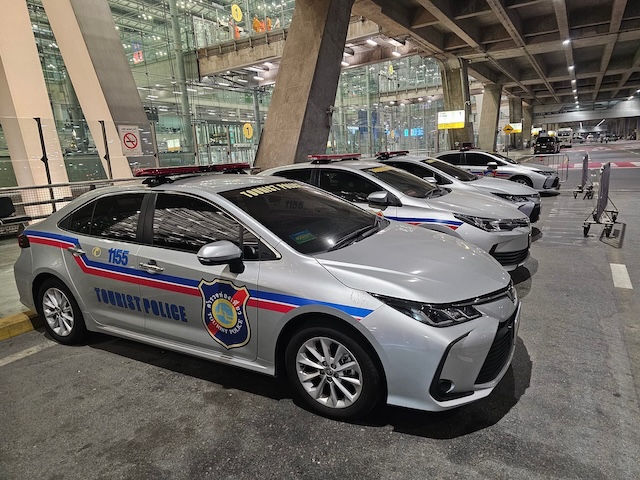
- 3. Call emergency services: 1669 for an ambulance if there are injuries, 191 for general police emergencies, and 1155 for the English-speaking Tourist Police.
- 4. Contact your insurance provider and, if you rented the vehicle, the rental company.
- 5. Do not sign anything or admit fault at the scene if you do not fully understand the situation.
What to do after an accident: the step-by-step procedure
In an accident, staying calm helps. Once the emergency is under control, follow these steps.
Contact your insurance provider first
Call your travel insurance assistance number as soon as possible. They should guide you and arrange direct financial coverage with a partner hospital, so you do not have to pay large medical bills upfront.
If you were driving a rented scooter, motorbike, or car, also contact the rental company immediately. They may have a specific claim procedure, vehicle insurance policy, or local contact who must be informed before any repair or settlement is discussed.
Document the Accident Scene
Use your smartphone to document everything. Take photos and videos of everything: the position of the vehicles, the damage, license plates, road conditions, traffic signs, and the documents of the other people involved.
Do not move the vehicles unless it is necessary for safety or requested by the police. If the vehicles must be moved, take clear photos and videos first from several angles, showing their original position and the surrounding road environment.
Get a police report
Remain polite and cooperative with the police, but avoid admitting fault or making statements about liability at the scene. Stick to the facts and let the police, medical staff, and your insurance provider handle the formal assessment.
The police report is the official document that insurance companies will systematically ask for. The golden rule is simple: never sign a document you do not understand without help from the Tourist Police at 1155, your insurance provider, or a translator.
Documents to keep: checklist
- Photos and videos of the accident scene
- Contact details of witnesses and other parties involved
- License plates and vehicle details
- A copy of your driving license and International Driving Permit
- Your travel insurance policy details
- Rental agreement and rental company contact details, if applicable
- Medical bills, receipts, and hospital documents
- The official police report
The insurance side: 4 mistakes that can cost you dearly
Understanding insurance traps is just as important as knowing the emergency numbers.
Mistake #1: Relying only on your credit card insurance
Credit card travel insurance, even with premium cards, is often insufficient in Thailand due to low coverage limits, high deductibles, and numerous exclusions. For a detailed analysis, read our guide to credit card travel protection.

For proper protection, check our full guide to travel insurance for Thailand.
Mistake #2: Overestimating Thailand’s local Por Ror Bor insurance
Por Ror Bor, also known as CTPL: what it really covers
This mandatory insurance, known as Por Ror Bor or CTPL, provides only basic protection for bodily injury, death, and disability. It should never be considered full travel or vehicle insurance.
- Medical expenses: initial treatment may be covered up to 30,000 THB, with higher limits possible depending on liability and the circumstances of the accident.
- If you are not at fault: medical coverage may reach up to 80,000 THB in some cases.
- Death or permanent disability: compensation may reach up to 500,000 THB per person.
- What is NEVER covered: material damage, including your vehicle, the other party’s vehicle, and your belongings.
Bottom line: Por Ror Bor is a basic legal safety net, not comprehensive insurance coverage.
Mistake #3: Not respecting your policy conditions
Reporting the accident too late, riding without a helmet, driving under the influence of alcohol, driving without the correct license or IDP, or using a vehicle category that is excluded from your policy can all lead to your insurance claim being rejected. Always contact your assistance provider as soon as possible and follow the reporting deadline stated in your policy.
Also check the engine-size limit in your travel insurance policy. Many standard policies exclude motorbikes above 50cc or 125cc, while most rental scooters in Thailand are at least 110cc, 125cc, or 150cc.
Mistake #4: Paying before calling assistance
Once again: always call your assistance provider before paying any expenses. Their role is to arrange direct billing whenever possible. If you pay upfront, reimbursement may become complicated and only partial.
✅ Check Your Travel Insurance Before Driving in Thailand
Before driving a scooter, motorbike or rental car in Thailand, make sure your travel insurance covers medical expenses, hospitalization, road accidents and emergency assistance. Always check license requirements, helmet rules, exclusions and coverage limits before getting on the road.
A 5% discount on Heymondo travel insurance is available through our partner link.
Not sure Heymondo is the right fit? Compare Thailand travel insurance options.
Preventing an accident in Thailand: how to avoid the worst
The best way to deal with an accident is to avoid having one in the first place.
The International Driving Permit: a non-negotiable requirement
To drive legally in Thailand, you must hold both your national driving license and a valid International Driving Permit accepted in Thailand. Driving without a valid IDP, or driving a vehicle category not covered by your license, may be considered a reason for your insurance provider to deny coverage.
Important: your IDP must match the vehicle you are driving. A car license is not enough to ride a scooter or motorbike in Thailand. If your license only covers a restricted motorcycle category, such as A1, check both the engine size of the scooter and your insurance policy carefully. Many rental scooters in Thailand are 125cc or 150cc, and riding a vehicle outside your licensed category may invalidate your coverage.
Renting a scooter: the golden rules
Caution is essential. For a complete breakdown, read our full guide to renting a scooter in Thailand.
Frequently Asked Questions
What should I do first in case of an accident?
If there are injuries, move to a safe place and call an ambulance first at 1669. Then call the Tourist Police at 1155 for English-speaking assistance. For general police emergencies, you can also call 191. Do not leave the scene, do not move anything unless necessary for safety, and do not sign anything you do not understand without assistance.
Should I leave the scene after a minor accident?
No. Never leave the scene of an accident in Thailand, even if it seems minor. Stay there, document the situation, exchange details, call the appropriate authorities, and wait for the police or your insurance provider’s instructions.
Should I admit fault at the scene?
No. Stay calm and polite, but do not admit fault, accept liability, or make informal payment agreements at the scene before speaking with your insurance provider. Limit your statements to factual information and wait for the police report and insurance assessment.
Is the International Driving Permit really mandatory?
Yes. Without a valid and compliant IDP, you are driving illegally, and your insurance provider may refuse to cover you. Your IDP and national license must also match the exact category of vehicle you are driving.
Can I ride a scooter in Thailand with a car license?
No. A car license alone is not enough to legally ride a scooter or motorbike in Thailand. You need the correct motorcycle category on your national license and a matching International Driving Permit.
Are all rental scooters covered by travel insurance?
No. Many travel insurance policies exclude scooters or motorbikes above a certain engine size, often 50cc or 125cc. Since most rental scooters in Thailand are 110cc, 125cc, or 150cc, you should check your policy before riding.
What are the main legal risks?
If you are found responsible, you may face legal proceedings and be required to pay significant damages. A police report is essential for any insurance claim or legal procedure, especially if there are injuries, property damage, or a dispute over responsibility.
Can I be prevented from leaving Thailand after a serious accident?
In serious cases involving severe injuries or death, the police may require you to remain in Thailand during the investigation or legal process. You may also need to post bail, appoint a local lawyer, or attend police and court procedures. Contact your embassy, your insurance provider, and a local lawyer immediately.
How long do I have to make a legal or insurance claim?
In Thailand, civil compensation claims may be subject to short limitation periods, often one year from the date the injured person became aware of the damage and the responsible party. Insurance disputes may also have specific deadlines, often two years from the accident date. Always seek legal advice quickly, as deadlines depend on the exact facts and type of claim.